

2nd Floor, Hazina Towers, Nairobi
P.O Box 264 – 00902, Kikuyu
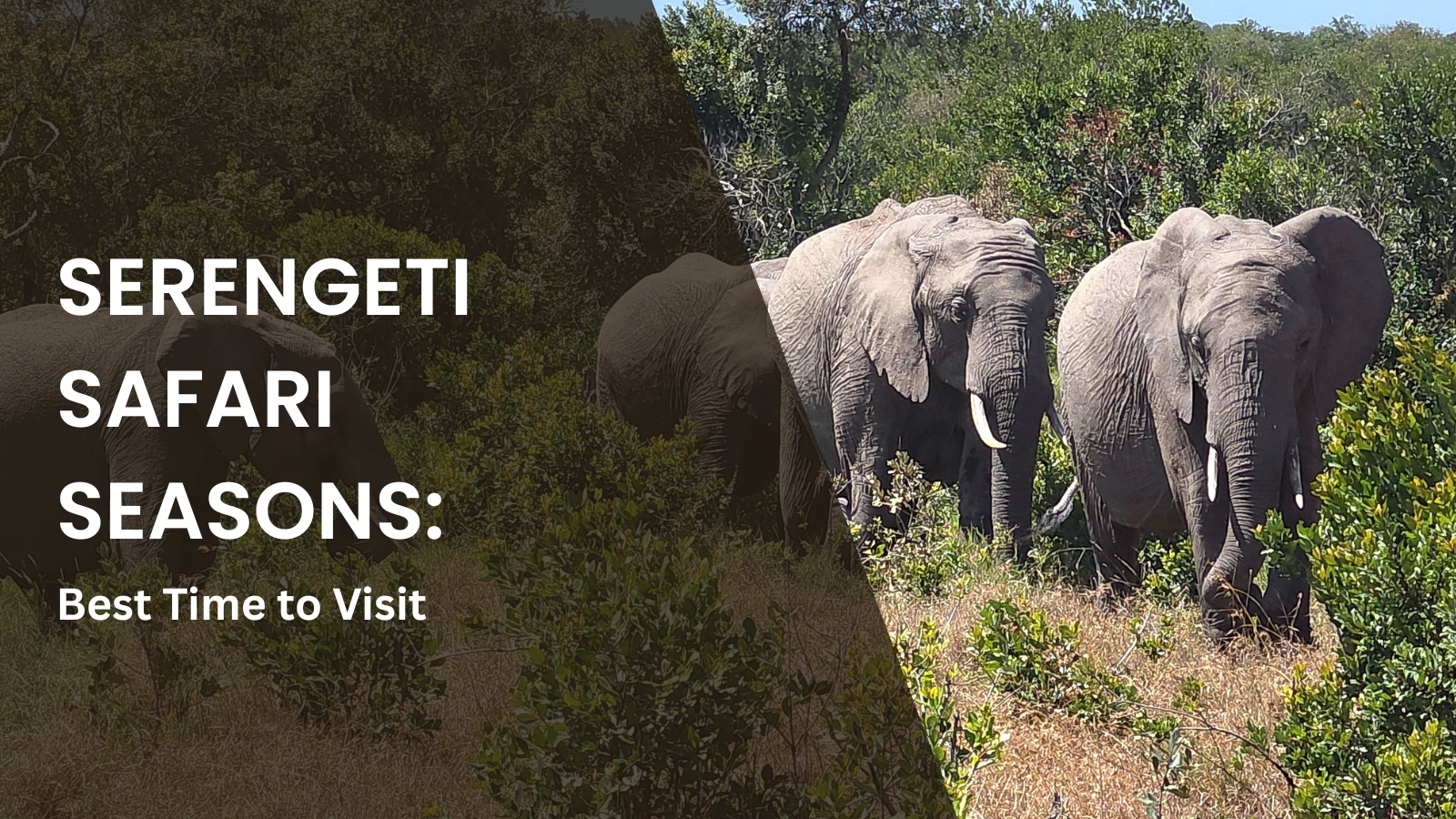
As dawn breaks over the Serengeti, golden light spreads across endless grasslands as lions roar in the distance, elephants emerge from the shadows, and thousands of wildebeest continue their ancient migration across the plains. It is one of the world’s greatest wildlife spectacles and a dream safari destination for travelers seeking unforgettable wildlife encounters.
But when is the best time to visit Serengeti National Park? The answer depends on the experience you want, whether it’s witnessing dramatic Great Migration river crossings, seeing newborn wildebeest during calving season, enjoying exceptional game viewing, or avoiding peak-season crowds. In this guide, you’ll discover the best time to visit the Serengeti, including weather patterns, safari seasons, and the best months for wildlife viewing.
The best time to visit Serengeti National Park depends on your safari goals:
• January–March: Calving season and exceptional predator action
• April–May: Green season, lush landscapes, and fewer tourists
• June–July: Excellent wildlife viewing and migration movement
• August–October: Peak river crossing season and classic safari conditions
• November–December: Beautiful green scenery and excellent value
For first-time visitors, July through October is often considered the best time to visit Serengeti National Park due to outstanding wildlife viewing and the possibility of witnessing dramatic Mara River crossings during the Great Migration.
Some safari destinations shine for only a few months each year. The Serengeti is different.
Covering nearly 15,000 square kilometers of protected wilderness in northern Tanzania, Serengeti National Park is one of Africa’s most celebrated wildlife ecosystems. Its name comes from the Maasai word Siringet, meaning “the place where the land runs forever”—a fitting description for a landscape that seems to stretch endlessly toward the horizon.
What makes the Serengeti unique is not only the Great Migration but also its extraordinary resident wildlife. Even when migration herds move between regions, the park remains one of the finest safari destinations in Africa.
Visitors can encounter:
• Large lion prides
• Leopards resting in acacia trees
• Cheetahs hunting across open plains
• Elephant herds
• Buffalo and giraffes
• Hippos and crocodiles
• More than 500 species of birds
This abundance of wildlife makes the Serengeti a true year-round safari destination.
Understanding Serengeti safari seasons is essential when deciding when to visit Serengeti.
The Serengeti experiences two primary seasons: the dry season and the green season. Both offer exceptional wildlife experiences, but each delivers a different perspective on the ecosystem.
As rainfall becomes scarce, the Serengeti transforms into a landscape of golden grasslands and open vistas.
Wildlife congregates around rivers and permanent water sources, making animals easier to locate and photograph. This period is widely regarded as the classic safari season and is often recommended as the best time to visit Serengeti National Park for first-time visitors.
Why Visit During the Dry Season?
• Outstanding wildlife visibility
• Comfortable temperatures
• Clear skies and beautiful sunsets
• Peak migration activity
• Excellent photography conditions
Considerations
• Higher accommodation rates
• Increased demand for premium safari camps
•Popular wildlife areas can be busier
The arrival of seasonal rains transforms the Serengeti into a vibrant landscape filled with fresh grass, wildflowers, and dramatic skies.
For photographers and experienced safari travelers, this can be one of the most rewarding times of the year.
Why Visit During the Green Season?
• Fewer safari vehicles
• Beautiful landscapes
• Lower accommodation rates
• Exceptional birdwatching
• Outstanding photography opportunities
The best time to visit Serengeti National Park isn’t always during peak season. Many safari experts consider the green season one of Africa’s best-kept secrets.
When discussing Serengeti Great Migration timing, it’s important to understand that the migration is not a single event but a year-round cycle involving more than two million wildebeest, zebras, and gazelles.
The location of the herds changes throughout the year, creating different wildlife experiences depending on when you visit.
The southern Serengeti and Ndutu region become the center of wildlife activity. Nearly half a million wildebeest calves are born within a few weeks, attracting predators and creating extraordinary game-viewing opportunities.
Best for:
• Wildlife photography
• Predator sightings
• Family safaris
•Luxury safaris
For many travelers, this is the best month for a Serengeti safari. Thousands of wildebeest gather along the Mara River before launching into dramatic crossings filled with uncertainty and danger. These iconic moments have become synonymous with the Great Migration and represent one of the most sought-after wildlife experiences in Africa.
During this period, travelers can experience:
• Dramatic Mara River crossings
• Thrilling predator-prey encounters
• Extraordinary concentrations of wildlife
• Some of the finest safari photography opportunities in Africa
For many travelers, this season represents the best time to visit Serengeti National Park, combining world-class game viewing with unforgettable migration moments.
As the first rains sweep across the plains, the Serengeti undergoes a remarkable transformation. Dry grasslands turn emerald green almost overnight. Acacia trees burst with fresh foliage. Migratory birds arrive in dazzling colors, and the great herds begin their gradual journey south.
There is a quieter magic to the Serengeti during this time.
The crowds of peak season have largely disappeared, leaving a sense of exclusivity and tranquility. Wildlife remains abundant, landscapes become beautifully photogenic, and every game drive feels more intimate.
For travelers seeking a balance between excellent wildlife viewing and a more relaxed safari atmosphere, November and December offer exceptional value and unforgettable experiences.
The southern Serengeti becomes a vast natural nursery during the calving season. Across the short-grass plains, hundreds of thousands of wildebeest give birth within a matter of weeks.
Tiny calves take their first unsteady steps while lions, cheetahs, hyenas, and leopards closely follow the herds. Every game drive carries the possibility of witnessing both the tenderness of new life and the drama of survival.
Best For:
• Calving season
• Predator action
• Wildlife photography
• Vibrant green landscapes
Weather:
• Warm temperatures
• Occasional rain showers
• Fresh, lush scenery
Many travelers overlook the Serengeti during the long rains. Those who venture here discover a different side of the ecosystem—quiet, atmospheric, and incredibly beautiful.
Dark storm clouds drift across endless horizons. The grass grows tall and emerald green. Safari vehicles become rare, creating a sense of wilderness that can feel entirely your own.
For photographers and value-conscious travelers, this hidden season often delivers some of the Serengeti’s most rewarding experiences.
Best For:
• Lower safari rates
• Fewer visitors
• Dramatic landscapes
• Peaceful game drives
Weather:
• Long rainy season
• Lush vegetation
• Occasional afternoon showers
As the rains fade, the Serengeti enters the dry season. Wildlife begins concentrating around water sources, making animal sightings easier and more consistent.
The migration herds start moving northward, creating a growing sense of anticipation across the ecosystem. Cool mornings, clear skies, and excellent game viewing make this one of the most comfortable times to explore the park.
Best For:
• Dry-season wildlife viewing
• Migration movement
• Comfortable safari weather
Weather:
• Crisp mornings
• Sunny afternoons
• Minimal rainfall
This is the Serengeti many travelers dream about.
The Northern Serengeti hosts the migration’s most dramatic chapter as wildebeest and zebra gather at the Mara River. Days can be spent tracking herds, waiting for crossing attempts, and witnessing remarkable wildlife interactions.
The combination of dry conditions, concentrated wildlife, and world-famous migration activity makes this the peak safari season.
Best For:
• Mara River crossings
• Exceptional wildlife viewing
• Luxury safaris
• Photography expeditions
Weather:
• Dry conditions
• Clear skies
• Excellent visibility
The return of seasonal rains transforms the Serengeti into a photographer’s dream. Fresh grass carpets the plains, birdlife flourishes, and dramatic skies create extraordinary light conditions.
With fewer vehicles in the park, game drives often feel more exclusive while still delivering excellent wildlife encounters.
Best For:
• Birdwatching
• Green-season photography
• Lower visitor numbers
• Scenic landscapes
Weather:
• Short rains
• Pleasant temperatures
• Fresh, vibrant scenery
Imagine ending a game drive with a private sundowner overlooking endless golden plains while the sun melts into the horizon.
Luxury travelers often favor June through October, when wildlife viewing is at its peak and premium camps deliver exceptional service, gourmet dining, and front-row access to migration action.
Many high-end mobile camps relocate throughout the year, ensuring guests remain close to the migration wherever it travels.
The Serengeti offers dramatically different photographic opportunities throughout the year.
Many professional photographers prefer:
• January to March for predator interactions and calving season drama
• July to October for river crossings and dust-filled migration scenes
• November to December for lush landscapes, dramatic skies, and vibrant colors
For families, predictability often matters as much as wildlife.
The dry season from June through October offers comfortable weather, easier game viewing, and abundant wildlife sightings, making it ideal for travelers with children.
Few experiences rival sharing a sunrise game drive with the person you love while the Serengeti awakens around you.
Many couples choose:
• January to March
• June to October
These seasons combine exceptional wildlife viewing with romantic camps, luxury tented suites, and unforgettable safari moments.
The green season from April to May can offer substantial savings while still providing remarkable wildlife experiences.
For travelers willing to embrace occasional rain showers, this period often delivers excellent value and a more exclusive feel.
One of the Serengeti’s greatest strengths is that extraordinary wildlife encounters are possible in every season.
Whether you’re on your first safari or your fifth, the thrill of spotting Africa’s iconic wildlife never fades.
Throughout the Serengeti ecosystem, visitors have opportunities to encounter:
• Lion
• Leopard
• Elephant
• Buffalo
• Rhinoceros (more commonly seen in nearby conservation areas)
The Serengeti is one of the world’s premier destinations for predator viewing.
Travelers regularly witness:
• Large lion prides resting beneath acacia trees
• Cheetahs scanning open plains for prey
• Elusive leopards hidden among riverine woodlands
• Hyenas competing with lions around fresh kills
Over 500 bird species inhabit the ecosystem, creating extraordinary opportunities for birdwatchers.
From colorful bee-eaters and lilac-breasted rollers to majestic martial eagles, the Serengeti rewards anyone who looks beyond the larger mammals.
Depending on when you visit, you may witness:
• The calving season
• Predator hunts
• Massive herd movements
• Mara River crossings
Each stage offers a completely different perspective on Africa’s greatest wildlife spectacle.
The most sought-after camps and lodges can sell out many months in advance.
If you’re planning to travel between June and October, booking 9–12 months ahead is highly recommended, particularly for migration-focused itineraries and luxury accommodations.
The Serengeti deserves time.
Recommended safari durations include:
• 3–4 days: A rewarding introduction
• 5–7 days: The ideal Serengeti experience
• 8–10+ days: A deeper exploration of the ecosystem
Many travelers create a richer East African journey by pairing the Serengeti with other remarkable destinations.
A breathtaking natural wonder renowned for extraordinary wildlife density and spectacular scenery.
Famous for giant elephant herds, ancient baobab trees, and excellent dry-season game viewing.
The perfect finale to a safari adventure, offering powder-white beaches, turquoise waters, and barefoot luxury on the Indian Ocean.
There is no single best time to visit Serengeti National Park—only the best time for the experience you dream of having.
Perhaps you want to stand beside the Mara River as thousands of wildebeest plunge into crocodile-filled waters. Perhaps you hope to photograph newborn calves taking their first steps across the southern plains. Or maybe your vision is simpler: waking before dawn in a luxury tent, listening to distant lion calls while the first golden light spreads across the Serengeti.
Whatever your dream safari looks like, there is a season perfectly suited to it.
Our safari specialists can help you choose the ideal travel dates, accommodations, and wildlife experiences to create a tailor-made journey through one of Africa’s most extraordinary landscapes. Contact us today and begin planning the Serengeti adventure you’ve imagined for years.

Comments are closed