

2nd Floor, Hazina Towers, Nairobi
P.O Box 264 – 00902, Kikuyu
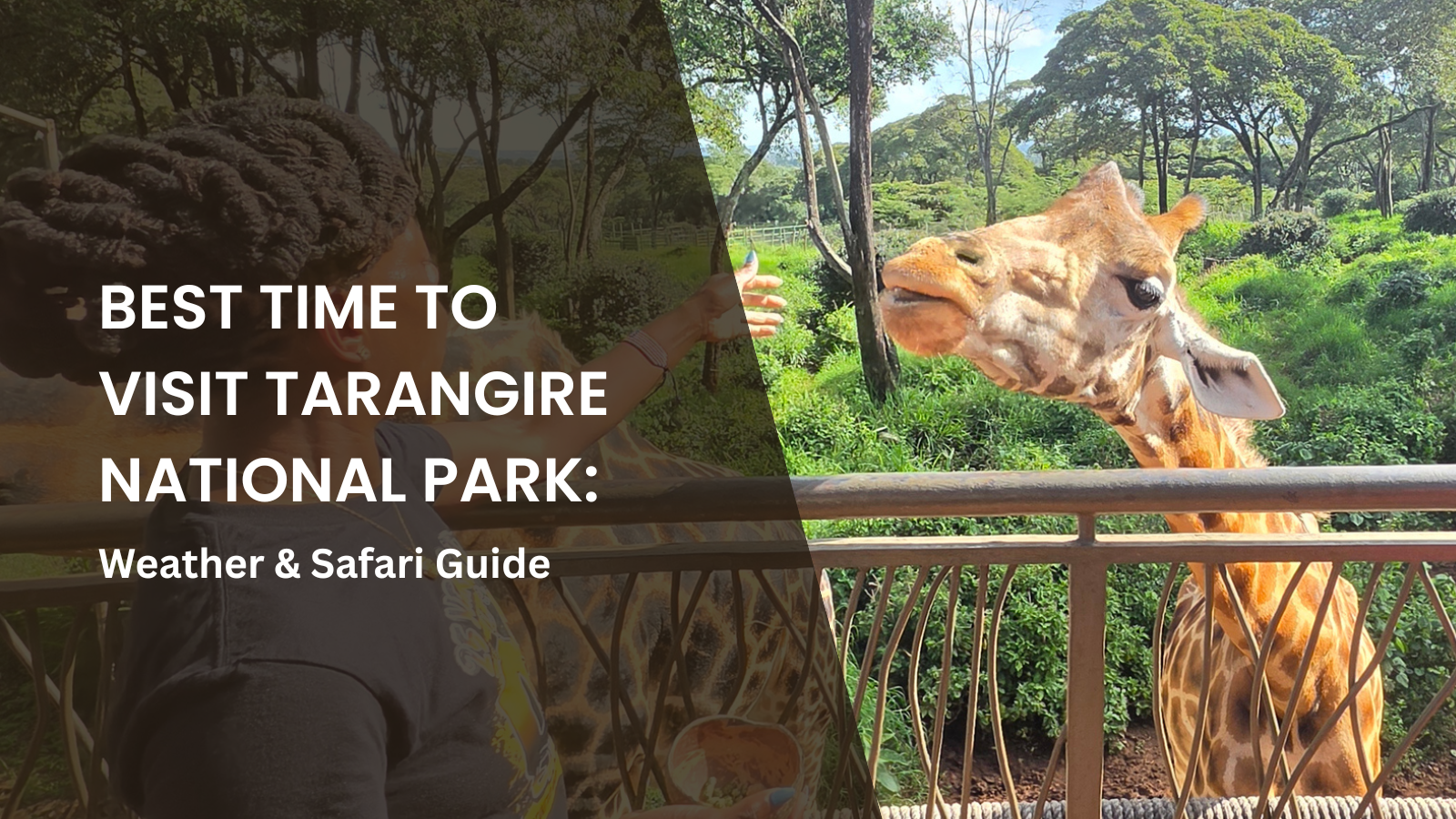
Imagine arriving in the heart of northern Tanzania as the early morning sun rises over endless golden savannahs, where towering baobab trees, grazing zebras, and herds of elephants create one of Africa’s most breathtaking safari landscapes. As the wilderness comes alive with the sounds of birds and distant wildlife, it becomes clear why Tarangire is considered one of Tanzania’s hidden safari gems. Choosing the best time to visit Tarangire National Park can greatly enhance your experience, whether your goal is exceptional wildlife viewing, photography, or a peaceful escape into nature.
While Tarangire National Park offers rewarding safaris throughout the year, each season provides unique opportunities. The dry season attracts large concentrations of animals to the Tarangire River, making wildlife sightings easier and more dramatic, while the green season transforms the park into a lush paradise filled with migratory birds and newborn animals. Known for its large elephant herds, iconic baobab trees, rich biodiversity, and uncrowded safari atmosphere, Tarangire delivers an authentic African adventure. Understanding the Tarangire National Park best time to visit will help you plan the ideal safari based on your travel style, interests, and wildlife expectations.
Tarangire National Park is one of Tanzania’s most fascinating safari destinations. Covering approximately 2,850 square kilometers, the park is known for its unique landscapes, seasonal wildlife movements, and incredible biodiversity.
The magic of Tarangire comes from the combination of its river system, ancient trees, and large concentration of wildlife.
One of the biggest reasons travelers visit Tarangire is its impressive elephant population.
During the dry season, elephants gather around the Tarangire River and other permanent water sources as water becomes less available in surrounding areas. Watching large herds of elephants walk beneath giant baobab trees is one of the most memorable safari experiences in Tanzania.
For travelers hoping to see elephants, the best months to visit Tarangire Safari are usually during the dry season when wildlife viewing conditions are at their strongest
The giant baobab trees of Tarangire create one of the most recognizable landscapes in Africa.
These ancient trees, some living for hundreds of years, provide a dramatic backdrop for photography. The combination of golden grasslands, rocky hills, wetlands, and scattered forests makes Tarangire visually different from many other safari destinations.
The Tarangire River plays a vital role in the park’s ecosystem.
During the dry months, animals gather around the river and remaining water sources. This seasonal concentration makes wildlife easier to observe and is one of the main reasons travelers consider the dry season the best time to visit Tarangire National Park.
Tarangire is also part of a larger northern Tanzania ecosystem, where animals move seasonally depending on rainfall, water availability, and food sources.
The ideal time to visit Tarangire depends on what type of safari experience you want.
For most travelers, the best wildlife viewing period is:
The dry season from June through October is widely considered the best period for a Tarangire safari.
During these months:
• Wildlife gathers around permanent water sources
• Vegetation is thinner, making animals easier to spot
• Roads are usually in good condition
• Safari photography conditions are excellent
• Days are sunny with cooler mornings and evenings
August, September, and October are especially popular because wildlife sightings are often excellent.
This season is ideal for first-time safari travelers who want a strong chance of seeing elephants, buffalo, giraffes, zebras, and predators.
The green season transforms Tarangire into a beautiful landscape filled with fresh vegetation and vibrant scenery.
The rains usually arrive in two periods:
• Short rains around November and December
• Longer rainy period from March to May
The green season offers:
• Beautiful photography opportunities
• Excellent bird watching
• Fewer safari vehicles
• Lush landscapes
• Young animals and seasonal wildlife activity
January through March can be especially rewarding for travelers who enjoy photography and quieter safari experiences.
The green season is also a great option for visitors looking for more affordable safari packages.
Understanding Tarangire National Park weather by month helps you plan the right safari.
Weather:
• Warm temperatures
• Green landscapes
• Occasional rainfall
Safari experience:
• Excellent bird watching
• Beautiful scenery
• Many young animals
• Great photography conditions
Weather:
• Long rainy season
• Heavy vegetation growth
• Wetter roads
Safari experience:
• Fewer visitors
• Beautiful landscapes
• Some unpaved roads may become muddy
The park remains open, but game drives may take longer due to road conditions.
Weather:
• Dry and sunny
• Cooler mornings and evenings
Safari experience:
• Excellent wildlife viewing
• Easier animal spotting
• Ideal safari conditions
This is the classic safari season.
Weather:
• Short rains begin
• Landscape becomes greener
Safari experience:
• Migratory birds return
• Fresh scenery
• Fewer crowds compared with peak season
Both seasons offer unforgettable experiences.
The dry season provides:
• Higher wildlife concentration
• Better visibility
• More predictable weather
• Excellent conditions for first-time safari travelers
It is especially rewarding for visitors focused on elephants and general wildlife viewing.
The green season offers:
• Stunning landscapes
• Excellent birdlife
• Fewer visitors
• More peaceful safari experiences
• Better value on some safari packages
It is ideal for photographers and travelers looking for a quieter adventure.
Both seasons offer unforgettable experiences.
Tarangire is famous for its elephants. Large herds can often be seen moving through the park, especially during the dry season.
Lions live in Tarangire and can be spotted during game drives. Sightings depend on animal movement and timing, so patient exploration with an experienced guide increases your chances.
Giraffes are commonly seen among acacia trees, while buffalo often move in groups across the grasslands.
Zebras and wildebeest move seasonally through the Tarangire ecosystem depending on rainfall and available grazing areas.
Unlike the famous Serengeti Great Migration, Tarangire experiences smaller seasonal wildlife movements rather than a single large migration event.
Tarangire is one of Tanzania’s excellent birding destinations, with hundreds of recorded bird species.
The green season is particularly rewarding for bird enthusiasts.
A luxury Tarangire safari combines adventure with comfort.
Travelers can enjoy:
• Premium safari lodges
• Private guides
• Comfortable vehicles
• Personalized experiences
This option is ideal for couples, honeymooners, and travelers seeking an exclusive African journey.
A private safari allows flexibility and personalization.
Benefits include:
• Custom schedules
• Longer wildlife stops
• Personal guiding
• Relaxed travel pace
Tarangire is a wonderful choice for families because of its diverse wildlife and manageable safari routes.
Many lodges provide family-friendly accommodation options.Tarangire is a wonderful choice for families because of its diverse wildlife and manageable safari routes.
Many lodges provide family-friendly accommodation options.
Many travelers combine Tarangire with:
• Serengeti National Park
• Ngorongoro Conservation Area
• Lake Manyara National Park
This creates a complete northern Tanzania safari experience.
Bring:
• Neutral-colored safari clothing
• Comfortable walking shoes
• Sun protection
• Binoculars
• Camera equipment
• A warm jacket for early morning drives
Most travelers spend:
• 1–2 nights for a short visit
• 2–3 nights for a deeper safari experience
A longer stay allows more relaxed game drives and better opportunities to discover the park.
A professional safari operator can make your experience much better.
Look for:
• Experienced guides
• Reliable vehicles
• Local knowledge
• Flexible itineraries
The best time to visit Tarangire National Park for wildlife viewing is generally from June to October during the dry season when animals gather near water sources.
August to October often provides some of the strongest elephant viewing opportunities because herds gather near remaining water sources.
Yes. The rainy season offers green landscapes, fewer crowds, excellent bird watching, and beautiful photography opportunities.
July is one of the most popular months to visit Tarangire. The weather is dry, wildlife viewing is excellent, and elephants are often easier to spot.
Yes, lions live in Tarangire and can be seen during game drives, although sightings depend on location and timing.
No. Tarangire does not have the Great Migration like Serengeti National Park. Instead, it experiences seasonal wildlife movements influenced by rainfall, water, and grazing availability.
Two to three days is ideal for exploring Tarangire without rushing.
The best time to visit Tarangire National Park depends on the experience you want.
For incredible wildlife viewing, the dry season offers some of the best opportunities to see elephants and other animals gathered around water sources. For peaceful landscapes, dramatic photography, and fewer visitors, the green season reveals another side of Tanzania’s wilderness.
From watching elephants beneath ancient baobabs to experiencing the quiet beauty of the African bush, Tarangire offers memories that last a lifetime. Start planning your tailor-made Tarangire safari today and discover the perfect season for your dream adventure.

Comments are closed