

2nd Floor, Hazina Towers, Nairobi
P.O Box 264 – 00902, Kikuyu
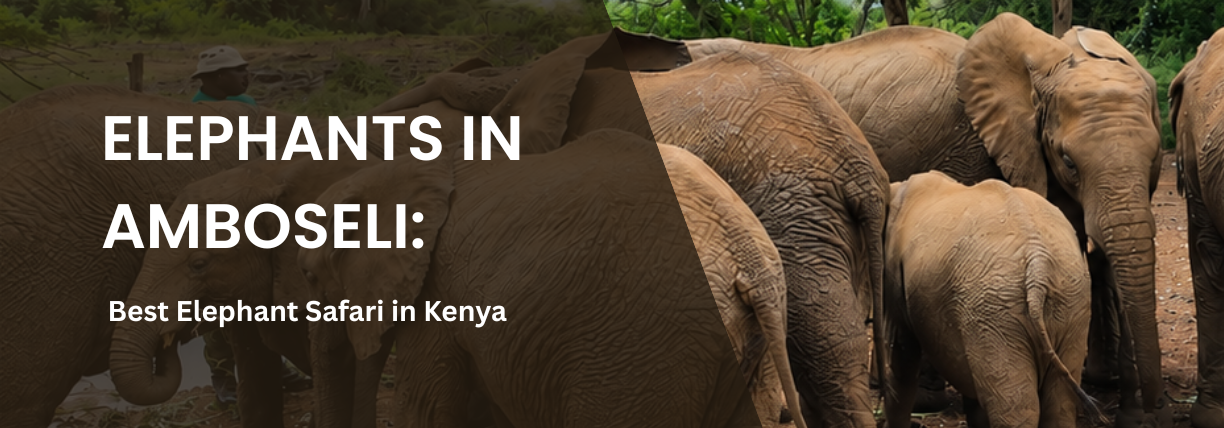
As the first rays of dawn spread across the Amboseli plains, the golden grasslands come alive beneath the towering silhouette of Mount Kilimanjaro. In the distance, a deep rumble breaks the morning silence as a herd of elephants emerges from the mist. Giant bulls with impressive tusks lead the way, while protective mothers guide their calves and curious youngsters playfully explore their surroundings. Few wildlife encounters in Africa are as breathtaking as witnessing elephants in Amboseli in their natural habitat.
For many travelers, this iconic scene defines the ultimate Kenya safari. Amboseli National Park is celebrated worldwide for its large elephant population, exceptional opportunities to observe these gentle giants up close, and the unforgettable backdrop of Africa’s highest mountain. Whether you’re planning a luxury safari, a family holiday, or a wildlife photography adventure, Amboseli offers extraordinary elephant encounters. In this guide, you’ll discover why Amboseli is famous for its elephants, the best time to visit, the safari experiences available, and the conservation efforts helping protect these magnificent animals for generations to come.
When people think of Amboseli National Park elephants, they often picture giant tuskers crossing vast plains beneath Mount Kilimanjaro.
This reputation is well deserved.
Amboseli is home to one of Africa’s most celebrated elephant populations. The park and surrounding ecosystem support hundreds of elephants that roam freely between protected areas and community lands.
Several factors make Amboseli unique:
• Large elephant population
• Exceptional visibility across open landscapes
• Long-term elephant research projects
• Healthy multi-generational family groups
• Iconic Mount Kilimanjaro backdrop
Unlike many forested or densely vegetated safari destinations, Amboseli’s open terrain allows visitors to observe elephant behavior in extraordinary detail.
Guests can watch calves learning from their mothers, adolescent bulls interacting with one another, and enormous tuskers moving gracefully through the wetlands.
Located in southern Kenya near the Tanzania border, Amboseli National Park covers approximately 392 square kilometers and forms part of the larger Amboseli ecosystem.
The park’s wetlands are fed by underground water flowing from Mount Kilimanjaro. These permanent water sources sustain wildlife throughout the year and play a vital role in supporting the region’s elephant population.
As a result, Amboseli has become one of East Africa’s premier safari destinations and a cornerstone of any elephant safari Kenya itinerary.
Water is life in Africa’s dry landscapes.
The marshes and wetlands of Amboseli provide reliable access to water even during prolonged dry periods. This attracts large elephant herds and supports stable family groups.
The availability of food, water, and relatively secure migration routes has helped create an environment where elephants can thrive.
Amboseli’s global reputation is also linked to decades of scientific research.
The Amboseli Elephant Research Project has monitored elephant families for more than fifty years, creating one of the most comprehensive wildlife studies ever conducted.
Researchers have documented family relationships, migration patterns, social behavior, and population trends, helping conservationists better understand and protect African elephants.
One of the most remarkable aspects of Amboseli elephant herds is their social structure.
Visitors often encounter multi-generational families led by experienced matriarchs who guide their relatives through the ecosystem.
These family groups may include:
• Grandmothers
• Mothers
• Sisters
• Calves
• Young juveniles
Their interactions provide fascinating insights into elephant intelligence and social bonds.
Amboseli is famous for producing some of Africa’s largest tuskers.
These magnificent bulls carry enormous ivory tusks that can nearly touch the ground.
For wildlife photographers and safari enthusiasts, seeing one of these giants is often a highlight of the journey.
Because of decades of research, many Amboseli elephants are known individually.
Researchers have followed generations of elephant families, documenting births, leadership changes, and migration patterns over many decades.
This long-term monitoring has contributed significantly to global elephant conservation efforts.
Few destinations offer the photographic opportunities found in Amboseli.
The combination of elephants, open landscapes, dramatic skies, and Mount Kilimanjaro creates some of Africa’s most iconic wildlife images.
For many photographers, Amboseli is the ultimate elephant photography destination.
The dry season is widely regarded as the best time to see elephants in Amboseli.
During these months:
• Wildlife gathers around wetlands
• Vegetation becomes sparse
• Viewing conditions improve
• Kilimanjaro visibility is often excellent
Large herds frequently congregate around permanent water sources, creating exceptional game-viewing opportunities.
The green season transforms Amboseli into a lush landscape filled with vibrant colors.
Advantages include:
• Fewer tourists
• Beautiful scenery
• Excellent bird watching
• Dramatic photography conditions
Although vegetation is thicker, elephant sightings remain excellent thanks to the park’s open terrain.
Photographers often favor:
• January and February
• July through October
These months typically offer clear skies, dramatic lighting, and reliable wildlife activity.
Whether you prefer luxury travel or a more budget-conscious adventure, Amboseli offers safari experiences for every type of traveler.
Luxury safaris provide:
• Exclusive lodges
• Private game drives
• Expert guides
• Premium dining experiences
• Exceptional Kilimanjaro views
Many luxury properties feature direct views of elephant migration routes.
Mid-range safaris combine comfort, value, and excellent wildlife viewing.
Guests enjoy quality accommodations while still experiencing unforgettable encounters with Amboseli elephants.
Private safaris offer flexibility and personalized experiences.
Photographers particularly appreciate the freedom to spend extended periods observing elephant behavior.
Amboseli is an excellent destination for families.
Children are often captivated by the park’s elephant herds, making it one of Kenya’s most rewarding family safari destinations.
Although elephants are the stars of the show, Amboseli supports a rich diversity of wildlife.
Visitors regularly encounter:
Lions patrol the grasslands and often rest beneath acacia trees during the day.
The open plains create ideal hunting grounds for cheetahs.
Large buffalo herds frequently gather around wetlands.
Elegant giraffes browse acacia trees throughout the ecosystem.
These abundant herbivores provide excellent game-viewing opportunities year-round.
Spotted hyenas are common and play an important ecological role.
More than 400 bird species have been recorded in the Amboseli ecosystem.
Amboseli is one of Africa’s premier wildlife photography destinations.
Outstanding elephant photography opportunities can be found near:
• Observation Hill
• Amboseli marshes
• Open plains beneath Kilimanjaro
• Seasonal wetlands
Early mornings provide:
• Soft golden light
• Active wildlife
• Clear mountain views
Evening game drives often produce dramatic silhouettes and colorful skies.
The classic Amboseli image features elephants crossing the plains with Mount Kilimanjaro towering behind them.
Patience and timing are essential, but the results can be extraordinary.
African elephants face numerous challenges, including habitat loss and human-wildlife conflict.
Protecting elephant populations requires long-term collaboration between conservation organizations, local communities, and government agencies.
Many conservation programs focus on promoting peaceful coexistence between wildlife and surrounding communities.
These initiatives help reduce conflict while protecting critical migration routes.
Responsible tourism generates funding for:
• Conservation programs
• Community development
• Wildlife research
• Habitat protection
Every safari contributes to the long-term future of Amboseli’s elephants.
Bring:
• Neutral-colored clothing
• Sun protection
• Camera equipment
• Binoculars
• Light jacket
Comfortable walking shoes
For the best experience, spend:
• 2–3 nights for a short safari
• 4–5 nights for a deeper wildlife experience
Amboseli pairs perfectly with:
• Maasai Mara
• Tsavo East
• Tsavo West
• Lake Nakuru
• Samburu
Many travelers combine Amboseli with these destinations for a comprehensive Kenya safari adventure.•
The dry season from June to October generally offers the best elephant viewing conditions.
There are few safari destinations on Earth where wildlife, scenery, and conservation come together as beautifully as they do in Amboseli National Park.
Watching giant elephant herds cross the plains beneath Mount Kilimanjaro is more than a safari moment—it is an experience that stays with you for a lifetime.
Whether you’re seeking a luxury Kenya safari, a private photography expedition, or a family wildlife adventure, our expert safari specialists can design a tailor-made Amboseli elephant safari perfectly suited to your interests and travel style.
Contact us today to start planning your unforgettable Amboseli elephant safari and experience one of Africa’s greatest wildlife spectacles firsthand.

Comments are closed