

2nd Floor, Hazina Towers, Nairobi
P.O Box 264 – 00902, Kikuyu
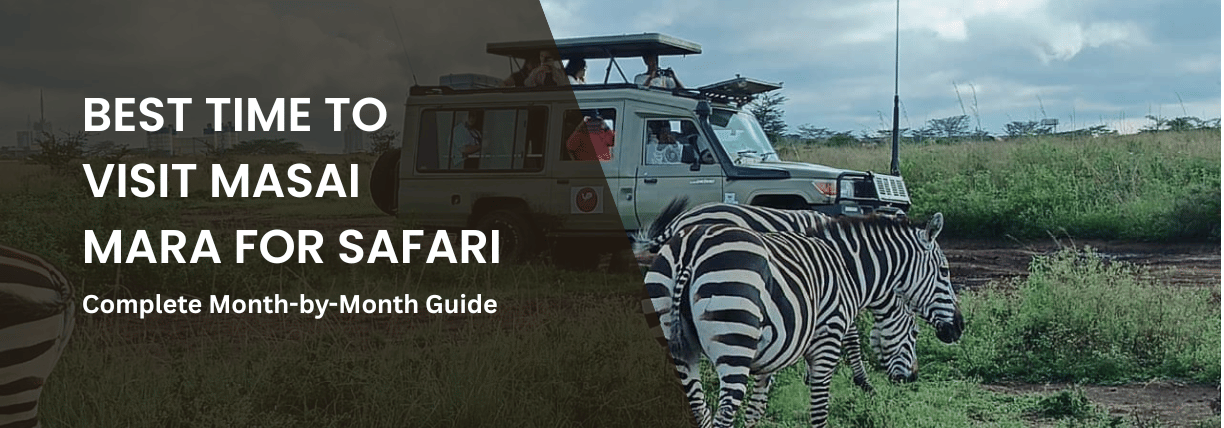
The first light of dawn spreads across the golden plains of the Masai Mara. A lioness moves silently through the grass, elephants gather near a waterhole, and somewhere beyond the horizon thousands of wildebeest begin their ancient journey across East Africa.
A Masai Mara safari is unforgettable at any time of year — but choosing the best time to visit Masai Mara can completely change the experience you have. Some travelers dream of witnessing the thunder of hooves during the Great Migration. Others prefer quiet mornings, fewer vehicles, and intimate wildlife encounters. Some seek a luxury safari escape, while families may prioritize comfortable weather and easy game viewing.
After years of helping travelers plan Kenya safari adventures, one thing remains clear: The best safari season is the one that matches your travel dreams. This guide explains the Masai Mara safari seasons, weather by month, migration timing, wildlife viewing, and how to choose the perfect time for your tailor-made African adventure.
The Masai Mara is one of Africa’s greatest wildlife destinations because every season tells a different story.
The reserve sits within the larger Serengeti-Mara ecosystem, where animals follow ancient patterns shaped by rainfall, grass growth, and water availability.
Your travel dates influence:
• Wildlife concentration
• Great Migration sightings
• Photography conditions
• Safari camp availability
• Travel costs
• Overall safari atmosphere
Whether you are planning your first Kenya safari, a romantic escape, or a once-in-a-lifetime luxury Masai Mara safari, selecting the right month helps you experience the Mara at its best.
Month | Season | Wildlife Viewing | Best For |
January | Dry | Excellent | First safari, photography |
February | Dry | Excellent | Big cats, fewer crowds |
March | Green season | Very good | Landscapes, value |
April | Rainy | Good | Budget safaris |
May | Rainy | Good | Private experiences |
June | Dry beginning | Excellent | Wildlife viewing |
July | Peak season | Exceptional | Migration |
August | Peak season | Exceptional | River crossings |
September | Peak season | Exceptional | Photography |
October | Dry | Excellent | Migration tail end |
November | Short rains | Very good | Birdlife |
December | Green season | Excellent | Holidays, scenery |
The dry season is widely considered one of the best periods for a Masai Mara safari.
As water becomes limited, wildlife gathers around rivers and remaining water sources, making animals easier to locate.
Highlights include:
• Excellent Big Five viewing
• Clear skies
• Comfortable temperatures
• Great photography
• Migration activity
The months of July, August, and September are especially popular because they offer the possibility of witnessing the famous Great Migration safari Kenya experience.
The wet season transforms the Mara into a lush green landscape. Many travelers overlook these months, but they offer some of the most beautiful scenery of the year.
Advantages include:
• Fewer safari vehicles
• Beautiful landscapes
• Excellent birdwatching
• Newborn animals
• Better availability at lodges
The Mara is not “closed” during rainy months — game drives continue and wildlife remains abundant.
For travelers wanting excellent wildlife without peak-season crowds, shoulder months can be ideal.
The best shoulder periods include:
• January
• February
• November
These months often provide a balance of:
• Great sightings
• Comfortable weather
• Better safari value
The Masai Mara migration safari is one of the greatest wildlife events on the planet. Each year, millions of wildebeest and hundreds of thousands of zebras move through the Serengeti-Mara ecosystem.
The migration usually reaches Kenya between:
July and October
However, nature does not follow a fixed calendar. Rainfall determines movement patterns each year.
The dramatic river crossings are usually associated with:
July to September
This is when travelers may witness:
• Wildebeest entering the river
• Crocodiles waiting below
• Predators following herds
• Massive wildlife movement
For many travelers, this is the ultimate Kenya safari moment.
For photographers:
August and September are often exceptional.
You can capture:
• River crossings
• Predator action
• Dusty golden landscapes
• Large wildlife gatherings
Warm, dry conditions with excellent wildlife viewing.
One of the best months for spotting predators.
Green landscapes appear as rains approach.
Rainy season, fewer crowds, beautiful scenery.
A quieter month with excellent safari value.A quieter month with excellent safari value.
Dry season begins and wildlife viewing improves.
Peak migration season starts.
One of the best months for river crossings.
Excellent migration viewing continues.
Great wildlife conditions before rains return.
Fresh green scenery and strong birdlife.
Beautiful landscapes and holiday travel season.
Best months:
June–October
Why:
• Easy wildlife spotting
• Reliable weather
• Classic safari experience
Best months:
July–October or January–February
Ideal for:
• Premium lodges
• Private game drives
• Exclusive experiences
Best months:
April, May, and November
Benefits:
• Lower rates
• Fewer visitors
• Great wildlife opportunities
Best months:
April, May, and November
Benefits:
• Lower rates
• Fewer visitors
• Great wildlife opportunities
Best months:
April, May, and November
Benefits:
• Lower rates
• Fewer visitors
• Great wildlife opportunities
Best months:
June–October
Families often enjoy:
• Shorter travel disruptions
• Comfortable conditions
• Predictable game drives
Best months:
January–March and June–October
A perfect combination of romance and wilderness.
Choosing where to stay can be just as important as choosing when to visit.
Best for:
• Classic safari experience
• Wide-open landscapes
• Famous wildlife areas
Best for:
• Fewer vehicles
• Exclusive game drives
• Luxury camps
• More flexibility
Many luxury travelers combine both experiences for the ultimate Kenya safari itinerary.
The Masai Mara and Serengeti are part of the same ecosystem, but the timing differs.
The Serengeti is famous for:
• Calving season
• Huge open plains
• Year-round wildlife
January–March is especially known for newborn wildebeest in southern Serengeti.
Depends on your goals:
• Calving: January–March
• Movement: April–June
• Northern migration: July–October
Many travelers combine Serengeti tours with a Masai Mara safari for the ultimate East Africa wildlife journey.
Recommended:
3–5 nights
This allows:
• Multiple game drives
• Sunrise safaris
• Relaxation time
• Better wildlife opportunities
Bring:
• Neutral clothing
• Light layers
• Sunglasses
• Hat
• Binoculars
• Camera equipment
• Comfortable shoes
Peak migration months fill quickly.
For July–September travel, booking early gives you access to the best camps and lodges. A tailor-made safari allows you to match your dates with the experience you want most.
August and September are excellent for migration, while January and February offer outstanding wildlife viewing with fewer crowds.
Lorem ipsum dolor sit amet, consectetur adipiscing elit. Ut elit tellus, luctus nec ullamcorper mattis, pulvinar dapibus leo.
Usually between July and October, depending on rainfall patterns.
The Mara has warm temperatures year-round with dry and rainy seasons.
Most travelers should plan 3–5 days for the best experience.
The best time to visit Masai Mara is the moment that matches your vision of Africa. Whether you want to witness the Great Migration, enjoy a private luxury camp, or introduce your family to the magic of the wild, the Mara offers unforgettable experiences every season. Our tailor-made Masai Mara safari packages are created around your travel dates, interests, and preferred style of adventure.
Speak with our safari specialists and start planning your journey into Kenya’s legendary wilderness.

Comments are closed