

2nd Floor, Hazina Towers, Nairobi
P.O Box 264 – 00902, Kikuyu
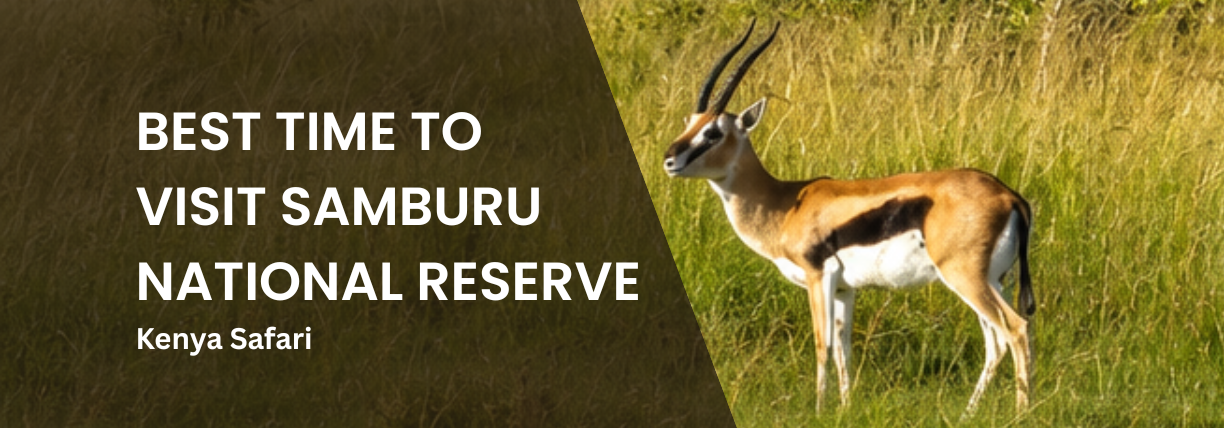
Imagine driving across the golden landscapes of northern Kenya as the morning sun rises over the rugged hills of Samburu National Reserve. The air is fresh, the wilderness is awakening, and beyond the acacia trees, elephants gather along the life-giving Ewaso Ng’iro River. A Samburu safari offers a unique African wildlife experience where dramatic landscapes, rare northern species, and authentic cultural encounters come together.
Choosing the best time to visit Samburu National Reserve helps you enjoy better wildlife sightings, comfortable weather, and unforgettable safari moments. Whether you dream of photographing elephants by the river, tracking lions across open plains, or relaxing in a luxury safari camp surrounded by wilderness, understanding the Samburu safari season allows you to plan the perfect Kenya safari adventure. This guide covers the best months to visit Samburu, seasonal weather conditions, wildlife highlights, and essential safari planning tips.
Located in northern Kenya, Samburu National Reserve offers a completely different safari atmosphere compared to the classic savannah landscapes of southern Kenya.
The reserve is built around the Ewaso Ng’iro River, which acts as a vital water source for wildlife living in this semi-arid region. The river attracts elephants, predators, birds, and other animals throughout the year.
One of the biggest reasons travelers choose a Samburu wildlife safari is the chance to see rare species that are specially adapted to northern Kenya’s environment.
The famous Samburu Special Five include:
• Grevy’s zebra
• Reticulated giraffe
• Beisa oryx
• Gerenuk
• Somali ostrich
Visitors can also expect to see:
• Elephants
• Lions
• Leopards
• Cheetahs
• Buffalo
• Hippos
• Crocodiles
• Numerous bird species
More than 400 bird species have been recorded in the Samburu ecosystem, making the reserve an excellent destination for wildlife photographers and bird lovers.
The best time to visit samburu national reserve is generally during the dry seasons:
• June to October
• January to March
During these periods, rainfall is lower, vegetation is less dense, and animals are often easier to spot. Wildlife frequently gathers around permanent water sources, especially the Ewaso Ng’iro River.
However, Samburu offers rewarding safari experiences throughout the year. The ideal season depends on your priorities, including wildlife viewing, photography, budget, and travel preferences.
The dry season is one of the most popular periods for a Samburu safari tour.
During these months, the landscape becomes more open, making it easier to locate wildlife during game drives.
Excellent Wildlife Viewing
As water sources become limited, many animals concentrate around rivers and waterholes. This can improve opportunities to see elephants, giraffes, predators, and other wildlife.
Better Photography Opportunities
The dry season creates beautiful golden landscapes, clear skies, and excellent morning and evening light.
Comfortable Safari Conditions
Safari tracks are generally easier to navigate during dry periods, while some areas may become muddy during heavier rains.
For first-time safari travelers, June to October is often a reliable choice.
The rainy season brings a different kind of beauty to Samburu National Reserve.
The landscape transforms from dry golden plains into greener scenery, creating dramatic photography opportunities and a fresh atmosphere.
The rainy seasons are usually:
• Long rains: March to May
• Short rains: October to December
Although wildlife may sometimes be more dispersed because water is available in more areas, the season has many advantages.
• Fewer visitors
• Beautiful green landscapes
• Excellent bird watching
• Fresh vegetation
• Potential sightings of young animals
Some wildlife species may time births around periods of better food availability, making this a rewarding time for nature lovers
Samburu has a warm semi-arid climate throughout the year.
Typical temperatures include:
• Daytime temperatures: around 25°C–30°C
• Early mornings and nights: around 12°C–18°C
• Hot and mostly dry
• Excellent wildlife viewing conditions
• Great for photography
• Main rainy season
• Green scenery
• Fewer tourists
• Dry season
• High wildlife concentration
• Comfortable game drives
• Short rains
• Fresh landscapes
• Great bird watching
The best time for wildlife viewing in Samburu is usually during dry periods when animals gather around reliable water sources.
Early mornings and late afternoons are the most rewarding times for game drives because wildlife is often more active and temperatures are cooler.
Samburu is famous for its elephant population. Large herds are often seen moving through the reserve, drinking at the river, and interacting in family groups.
Lions can often be spotted during morning and evening drives as they move through open areas.
Leopards are more secretive, but experienced guides increase your chances of spotting them.
The chance to see Grevy’s zebra, reticulated giraffe, and gerenuk makes Samburu different from many other Kenya safari destinations.
Every traveler experiences Samburu differently. Whether you prefer comfort, adventure, or exclusivity, there is a safari style for you.
A luxury Samburu safari combines wildlife exploration with premium accommodation.
Guests can enjoy:
• Exclusive safari camps
• Personalized service
• Private game drives
• Fine dining experiences
• Beautiful wilderness settings
Many luxury travelers choose the dry season for the best balance of comfort and wildlife viewing.
Mid-range safari packages provide excellent value while offering comfortable lodges, professional guides, and memorable game drives.
Mid-range safari packages provide excellent value while offering comfortable lodges, professional guides, and memorable game drives.
A private safari allows you to customize your experience around your interests:
• Photography stops
• Flexible schedules
• Family-friendly pacing
• Wildlife priorities
This option is ideal for couples, families, and photographers.
Many travelers combine Samburu with other famous destinations, including:
• Masai Mara National Reserve
• Amboseli National Park
• Lake Nakuru
• Ol Pejeta Conservancy
Combining destinations allows travelers to experience different landscapes and wildlife regions across Kenya.
Most travelers spend 2 to 4 nights in Samburu.
Two nights allow you to experience the highlights, while longer stays provide more relaxed game drives and deeper exploration.
Bring:
• Lightweight neutral-colored clothing
• Comfortable walking shoes
• Sunglasses and sunscreen
• Camera equipment
• A light jacket for early morning drives
Samburu can be reached by road or domestic flight from Nairobi.
Driving usually takes around 5–6 hours depending on road conditions, while flying offers a faster option through nearby airstrips.
Choosing the right season is the first step toward creating an unforgettable safari.
A tailor-made Samburu safari allows your itinerary to match your travel style — whether you want luxury accommodation, photography-focused game drives, family experiences, or a peaceful escape into nature.
Our safari specialists can design a personalized journey based on the season you choose and the wildlife experiences you want most.
Contact us today to start planning your Samburu National Reserve adventure.
The best time to visit Samburu National Reserve is generally during the dry seasons from June to October and January to March, when wildlife viewing conditions are often excellent.
July, August, September, January, and February are among the most popular months because of favorable weather and strong wildlife viewing opportunities.
Yes. The rainy season offers greener scenery, fewer tourists, excellent bird watching, and a peaceful safari atmosphere.
Visitors can see elephants, lions, leopards, cheetahs, giraffes, Grevy’s zebra, reticulated giraffe, gerenuk, oryx, ostriches, and many bird species.
A stay of 2–4 nights is recommended to enjoy multiple game drives and explore the reserve without rushing.
Samburu has a warm semi-arid climate with dry seasons ideal for wildlife viewing and rainy seasons that create greener landscapes.
The best time to visit Samburu National Reserve depends on the type of experience you want.
For classic wildlife viewing, the dry seasons offer excellent opportunities. For travelers seeking fewer crowds, green landscapes, and a quieter safari atmosphere, the rainy season provides a beautiful alternative.
Whenever you choose to visit, Samburu delivers a remarkable Kenya safari experience — a place where rare wildlife, dramatic landscapes, and unforgettable moments come together.

Comments are closed