

2nd Floor, Hazina Towers, Nairobi
P.O Box 264 – 00902, Kikuyu
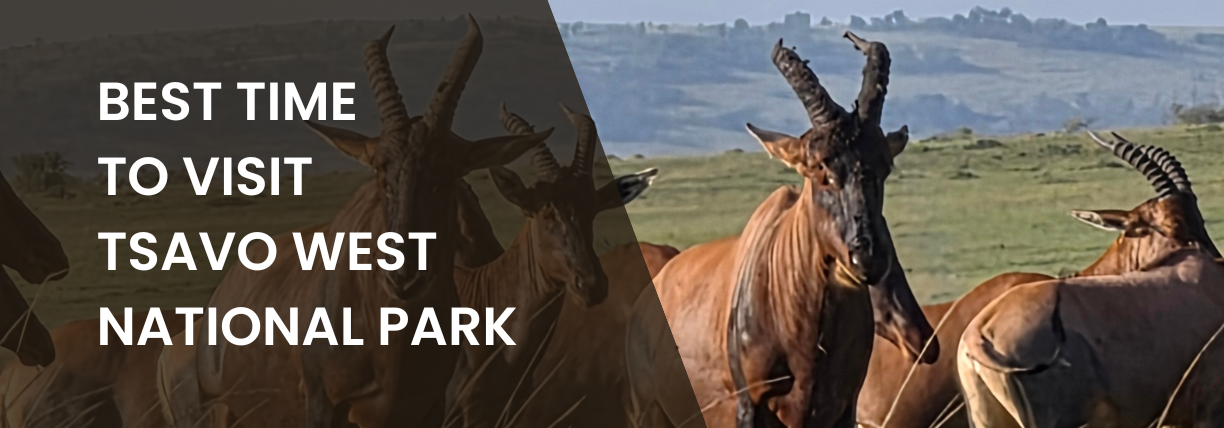
Few places in Africa capture the spirit of wilderness quite like Tsavo West National Park. As dawn breaks over Kenya’s vast savannah, golden light illuminates volcanic hills, acacia woodlands, and ancient lava flows. Red-dusted elephants emerge from the morning mist while lions rest beneath umbrella-shaped acacia trees. At the crystal-clear waters of Mzima Springs, hippos surface quietly and crocodiles bask along the shoreline. On clear mornings, visitors may even catch sight of Mount Kilimanjaro rising above the horizon.
For travelers planning a Kenya safari, one of the most common questions is: What is the best time to visit Tsavo West National Park? The answer depends on your interests. Whether you’re hoping to spot large elephant herds, enjoy excellent wildlife viewing, photograph dramatic landscapes, experience peak birdwatching season, or travel during quieter months, understanding Tsavo West’s seasonal patterns will help you choose the ideal time for an unforgettable safari adventure.
Covering approximately 9,065 square kilometers, Tsavo West National Park is one of Kenya’s largest and most diverse safari destinations.
Unlike many parks dominated by open grasslands, Tsavo West offers an extraordinary variety of ecosystems and landscapes, including:
• Volcanic hills
• Ancient lava flows
• Open savannah
• Acacia woodlands
• Riverine forests
• Natural springs
• Rocky escarpments
The park’s dramatic scenery creates a safari experience that feels both wild and untouched.
One of Tsavo West’s most famous attractions is Mzima Springs, a crystal-clear oasis fed by underground water flowing from the nearby Chyulu Hills. Visitors can observe hippos and crocodiles from an underwater viewing chamber, making it one of the most unique wildlife experiences in East Africa.
The striking Shetani Lava Flow is one of Tsavo West’s most fascinating geological attractions.
Created by relatively recent volcanic activity, these black lava fields stretch across the landscape, creating an almost lunar environment that contrasts dramatically with the surrounding savannah.
The nearby Chyulu Hills provide a spectacular backdrop to many safari experiences.
These volcanic hills also play a critical ecological role by feeding the underground water systems that supply Mzima Springs.
Tsavo’s elephants are among Kenya’s most iconic wildlife attractions.
Their distinctive red appearance comes from coating themselves in the region’s iron-rich volcanic soil after bathing or dusting.
Tsavo West supports an impressive variety of wildlife, including:
• Elephants
• Lions
• Leopards
• Buffalo
• Black rhinos
• Giraffes
• Zebras
• Hippos
• Crocodiles
The greater Tsavo ecosystem supports more than 600 bird species, making the region one of Kenya’s premier birdwatching destinations.
Tsavo is famous for the legendary “Man-Eaters of Tsavo,” two lions that became infamous during the construction of the Uganda Railway in 1898.
While today’s lions pose no such threat, the story remains an important part of Tsavo’s fascinating history and continues to intrigue visitors from around the world.
Knowing the safari seasons is essential when deciding the best time to visit Tsavo West National Park.
The dry season is widely regarded as the best time for wildlife viewing.
During these months:
• Vegetation becomes thinner
• Wildlife gathers around water sources
• Roads remain easily accessible
• Photography conditions are excellent
• Animal sightings become more predictable
This period is Kenya’s peak safari season and offers some of the most reliable game-viewing opportunities of the year.
Benefits include:
• Easier wildlife spotting
• Better predator sightings
• Clear skies
• Comfortable safari weather
• Excellent photography conditions
For first-time safari travelers, June through October is often the ideal time to visit Tsavo West National Park.
The green season transforms Tsavo West into a lush and vibrant wilderness.
Seasonal rains replenish water sources, stimulate fresh vegetation growth, and attract migratory bird species.
Advantages include:
• Beautiful green landscapes
• Fewer safari vehicles
• Lower accommodation rates
• Exceptional birdwatching
• Dramatic photography opportunities
Wildlife remains abundant throughout the park, although denser vegetation can make animals slightly more difficult to locate than during the dry season.
January offers warm temperatures, green scenery, and excellent wildlife viewing.
It is an excellent month for photographers seeking vibrant landscapes combined with productive game drives.
February is often considered one of Kenya’s finest safari months.
The short rains have ended, landscapes remain green, and wildlife viewing is excellent. It provides an ideal balance between scenery and wildlife encounters.
March marks the beginning of the transition toward the long rains.
Visitors can still enjoy good wildlife sightings, fewer crowds, and attractive safari rates.
April is typically the wettest month in Tsavo West National Park.
Expect occasional heavy rainfall and muddy roads in some areas. However, landscapes reach peak lushness, bird activity is exceptional, and safari prices are often lower.
This is a wonderful month for birdwatchers and photographers.
Rainfall begins to decrease, and the park remains beautifully green.
Travelers benefit from quieter safari experiences and competitive accommodation rates.
June marks the beginning of the dry season.
Wildlife viewing improves significantly as vegetation begins to thin and animals become easier to locate.
July is one of the best months for safari travel.
Expect:
• Excellent wildlife viewing
• Comfortable temperatures
• High demand for lodges
• Peak safari season conditions
Advance booking is recommended.
August remains one of the most popular safari months in Kenya.
Wildlife sightings are highly reliable, and conditions are ideal for photography.
September combines exceptional wildlife viewing with slightly fewer crowds than July and August.
Many safari experts consider it one of the best months to visit Tsavo West National Park.
October offers dry conditions, excellent wildlife encounters, and pleasant temperatures before the short rains arrive.
The short rains begin returning, transforming the landscape into vibrant shades of green.
Birdwatching becomes particularly rewarding during this period.
December combines festive holiday travel with excellent safari opportunities.
Green landscapes and active wildlife make it a rewarding month for visitors.
One of the biggest attractions of a Tsavo West safari is the remarkable diversity of wildlife.
Tsavo’s red elephants are among Kenya’s most iconic safari sightings. Large herds can often be seen moving across the plains or gathering near water sources.
The park supports a healthy lion population, with sightings becoming more frequent during the dry season.
Leopards are present throughout Tsavo West but are naturally elusive and often spotted during early morning or evening game drives.
The Ngulia Rhino Sanctuary provides one of Kenya’s best opportunities to observe endangered black rhinos.
These species are commonly seen throughout the year and contribute to the park’s rich ecosystem.
Mzima Springs offers outstanding opportunities to observe both species in a beautiful natural setting.
Birdwatchers can enjoy sightings of hundreds of species, including raptors, kingfishers, hornbills, bee-eaters, and migratory birds.
June to October offers the most reliable game-viewing opportunities.
November through April is ideal due to migratory bird arrivals and breeding activity.
January, February, June, July, September, and October offer excellent light and strong wildlife visibility.
February and September combine beautiful weather, exceptional wildlife viewing, and romantic safari experiences.
June through August provides predictable weather and excellent wildlife encounters for all ages.
April, May, and November often feature lower lodge rates and fewer visitors.
Bring:
• Neutral-colored safari clothing
• Lightweight layers
• Sunscreen
• Binoculars
• Camera equipment
• Comfortable walking shoes
Insect repellent
Most travelers spend:
• 2–3 days in Tsavo West
• 4–6 days combining Tsavo West and Tsavo East
• 7–10 days when including Amboseli and other Kenya safari destinations
Combining both parks creates a more comprehensive safari experience and increases wildlife viewing opportunities.
Many travelers pair Tsavo West with Amboseli for spectacular elephant encounters and iconic Mount Kilimanjaro views.
The dry season from June to October is generally considered the best time to visit Tsavo West National Park because wildlife is easier to spot and road conditions are excellent.
Absolutely. Tsavo West offers diverse landscapes, excellent wildlife viewing, Mzima Springs, volcanic scenery, and a more remote safari experience than many other parks in Kenya.
A minimum of two to three days is recommended to explore the park’s major attractions and enjoy multiple game drives.
Visitors commonly see elephants, lions, leopards, buffalo, rhinos, giraffes, zebras, hippos, crocodiles, and hundreds of bird species.
Both parks offer unique experiences. Tsavo West is known for dramatic scenery, volcanic landscapes, and Mzima Springs, while Tsavo East is famous for vast open plains and large elephant herds.
Yes. Tsavo West is home to lion, leopard, elephant, buffalo, and rhino. Black rhinos are primarily seen within the protected Ngulia Rhino Sanctuary, while leopard sightings require patience and luck.
The climate is generally warm throughout the year. The dry season offers the best safari conditions, while the rainy seasons create lush landscapes and excellent birdwatching opportunities.
Yes. Tsavo West is commonly combined with Tsavo East, Amboseli National Park, and coastal destinations such as Diani Beach and Mombasa.
Yes. Tsavo West is commonly combined with Tsavo East, Amboseli National Park, and coastal destinations such as Diani Beach and Mombasa.
The best time to visit Tsavo West National Park ultimately depends on the safari experience you seek. For exceptional wildlife viewing, the dry season from June to October remains the top choice as animals gather around water sources and vegetation becomes less dense. For lush scenery, birdwatching, and quieter safari experiences, the green season offers its own unique rewards.
Regardless of when you visit, Tsavo West delivers an unforgettable safari experience filled with dramatic volcanic landscapes, iconic red elephants, crystal-clear springs, rich wildlife, and authentic wilderness. From exploring the Shetani Lava Flow to watching hippos at Mzima Springs and tracking wildlife beneath the Chyulu Hills, every safari reveals a different side of one of Kenya’s most remarkable national parks.
Whether you’re planning a luxury Kenya safari, a family wildlife adventure, or a tailor-made East Africa itinerary, Tsavo West National Park deserves a place on your travel list. Contact our safari specialists today to create a customized Tsavo West safari designed around your interests, travel style, and dream wildlife encounters.

Comments are closed