

2nd Floor, Hazina Towers, Nairobi
P.O Box 264 – 00902, Kikuyu
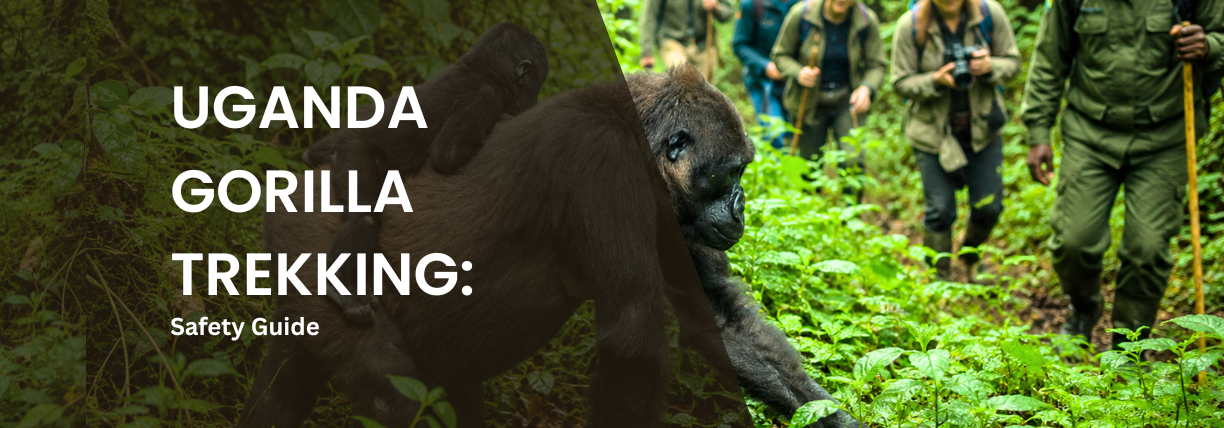
Standing quietly in the mist-covered forests of Uganda, surrounded by towering trees and the sounds of the wild, you may find yourself face-to-face with one of the world’s most extraordinary creatures—the mountain gorilla. For many travelers, this is the highlight of a lifetime. Before embarking on this unforgettable adventure, however, one question often comes to mind: is gorilla trekking in Uganda safe? The answer is yes. Uganda is one of Africa’s leading gorilla trekking destinations, with expertly managed experiences led by trained guides, armed rangers, and strict conservation protocols that prioritize the safety of both visitors and the endangered gorillas.
A Uganda gorilla trekking safari is a carefully organized wildlife experience, not an unpredictable journey into the wilderness. Every trek follows established safety guidelines, including pre-trek briefings, small group sizes, and responsible wildlife viewing practices. With the right preparation and by following your guides’ instructions, you can enjoy one of the safest and most rewarding wildlife encounters in the world. In this guide, you’ll discover everything you need to know about Uganda gorilla trekking safety, from trekking procedures and gorilla behavior to practical tips that will help you explore with confidence.
Yes, gorilla trekking in Uganda is safe for international travelers when conducted through licensed operators and following established trekking guidelines.
Thousands of visitors from the US, UK, Europe, Canada, and Australia travel to Uganda every year to experience the magic of mountain gorillas in their natural habitat.
The main gorilla trekking destination is Bwindi Impenetrable National Park, a UNESCO-listed forest famous for its population of habituated mountain gorilla families. Another important trekking area is Mgahinga Gorilla National Park, located within the Virunga mountain ecosystem.
Safety is taken seriously. Every trek includes:
• Experienced gorilla guides
• Armed wildlife rangers for protection and monitoring
• Small trekking groups
• Strict gorilla interaction rules
• Pre-trek safety briefings
• Conservation-based tourism practices
The goal is simple: allow travelers to witness gorillas in the wild while maintaining a respectful distance and protecting these incredible animals.
Uganda’s reputation as a gorilla trekking destination has been built through strong conservation efforts and responsible tourism management.
Your gorilla trek is led by local guides and trackers who know the forest intimately. Many have spent years following specific gorilla families and understanding their movements, personalities, and behaviors.
Rangers communicate with each other throughout the day, helping locate gorilla groups and ensuring the safest possible route.
These experts are not only there for security — they also transform your trek into an immersive experience by sharing stories about gorilla families, forest ecology, and conservation.
Uganda follows internationally recognized gorilla tourism standards.
Important rules include:
• Maintaining a safe distance from gorillas
• Limiting time spent with gorilla families
• Avoiding trekking when sick
• Keeping voices low near gorillas
• Following ranger instructions at all times
These rules protect visitors and help prevent stress or disease transmission to the gorillas.
Only habituated gorilla groups are visited by tourists. These gorillas have undergone a gradual process where they become comfortable with limited human presence.
This means your encounter is carefully managed — not a random meeting with wild animals.
A typical gorilla trekking experience begins early in the morning with a briefing at the park headquarters.
Your day usually follows this pattern:
Before entering the forest, guides explain:
• Trekking expectations
• Gorilla behavior
• Safety rules
• How to behave around wildlife
You enter the forest with your trekking group and ranger team.
The terrain can vary from gentle paths to steep jungle trails, depending on where the gorillas are located that day.
When you finally reach the gorilla family, you may spend up to one magical hour observing them.
You might watch:
• Young gorillas playing
• Mothers caring for babies
• Silverbacks protecting the group
• Gorillas feeding peacefully
The experience is powerful because these animals are calm, intelligent, and surprisingly human-like.
One of the biggest fears travelers have is whether gorillas are aggressive.
The reality is that mountain gorillas are generally peaceful animals when encountered correctly.
They are powerful creatures, but they are not naturally looking to harm humans.
Habituated gorillas have learned to tolerate human observers, and experienced trackers understand their body language.
Rangers watch for signs of discomfort and guide visitors on how to respond.
You may see behaviors like:
• Chest beating
• Vocalizations
• Moving closer
• Displaying dominance
These are normal gorilla behaviors and do not automatically mean danger.
Your guide is trained to interpret these moments and ensure everyone remains safe.
While gorilla trekking is safe, it is still a wilderness adventure. Understanding possible challenges helps you prepare.
The biggest challenge for many travelers is the terrain.
Bwindi is a rainforest environment with:
• Steep hills
• Muddy trails
• Dense vegetation
• Uneven ground
A moderate fitness level is recommended.
Rain can happen at any time in the forest.
Trails may become slippery, making proper footwear important.
The forest is home to many species, including insects and smaller wildlife.
Following your guide’s instructions minimizes risks.
Some trekking areas are located at higher elevations, and some visitors may feel tired during longer hikes.
Good preparation makes the experience much easier.
To enjoy your trek comfortably, follow these expert recommendations:
Your ranger knows the forest and gorilla families better than anyone.
Their instructions exist to protect both you and the animals.
Maintain the recommended distance from gorillas and avoid sudden movements.
Mountain gorillas are vulnerable to human illnesses.
If you have symptoms such as fever, flu, or cough, inform your guid
The forest environment requires practical clothing.
Recommended:
• Long trousers
• Long-sleeved shirts
• Hiking boots
• Rain jacket
• Gardening gloves for vegetation
Bring enough water, especially for longer treks.
A gorilla trek does not require you to be an athlete, but preparation helps.
Most travelers with average fitness levels can complete the experience.
Before your safari:
• Walk regularly
• Practice hiking if possible
• Bring comfortable footwear
• Prepare for several hours outdoors
Travelers can also request shorter trekking routes depending on availability.
Your safari planner can help match you with the best trekking option.
The best time for gorilla trekking in Uganda is generally during the drier seasons:
• June to September
• December to February
During these months, trails are usually easier to navigate.
However, gorilla trekking is possible year-round.
The rainy seasons can also offer advantages:
• Fewer travelers
• Lush green forests
• Beautiful photography conditions
Many experienced safari travelers choose based on overall itinerary preferences rather than weather alone.
For a comfortable Uganda gorilla safari experience, pack:
• Waterproof hiking boots
• Lightweight rain jacket
• Long trousers
• Long-sleeved shirt
• Small backpack
• Water bottle
• Camera equipment
• Insect repellent
• Sunglasses
• Walking poles (optional)
A good packing list can make the difference between a difficult trek and a truly enjoyable adventure.
Uganda is welcoming for solo adventurers. Joining a guided trek allows you to share the experience with other travelers while benefiting from professional support.
Gorilla trekking is one of Africa’s most memorable romantic adventures, combining wilderness, luxury lodges, and meaningful conservation experiences.
Families with older children can enjoy gorilla trekking, although age restrictions and fitness considerations apply.
Many older travelers successfully complete gorilla trekking with proper preparation. Choosing easier routes and discussing expectations beforehand is recommended.
A gorilla trek is only one part of Uganda’s incredible wildlife story.
Many travelers combine gorilla trekking with classic safari experiences such as:
• Wildlife viewing in Queen Elizabeth National Park
• Chimpanzee tracking in Kibale National Park
• Scenic adventures around Uganda’s lakes and mountains
A tailor-made Uganda safari allows you to experience both the rainforest and savannah — from watching mountain gorillas in misty forests to spotting elephants, lions, and hippos across open landscapes.
For travelers seeking comfort, flexibility, and expert planning, a private Uganda gorilla trekking safari is the ideal way to explore.
No. Gorilla trekking in Uganda is considered safe when travelers follow ranger instructions and trekking regulations. The experience is carefully managed by trained guides and conservation teams.
Mountain gorillas are usually calm and peaceful toward visitors. Habituated gorillas are accustomed to limited human presence, and guides monitor interactions carefully.
Yes, armed rangers may accompany treks for wildlife protection and safety. Their role is primarily precautionary and conservation-focused.
Yes. Bwindi is a well-established tourism destination with professional park management, guides, and security measures.
The main risks are physical challenges such as steep terrain, slippery trails, fatigue, and weather conditions. Proper preparation greatly reduces these concerns.
So, is gorilla trekking in Uganda safe? Absolutely.
With expert guides, strict conservation rules, trained rangers, and carefully managed encounters, Uganda offers one of the world’s most extraordinary wildlife experiences in a safe and responsible way.
Standing just meters away from a mountain gorilla is not simply a safari activity — it is a moment of connection with one of Earth’s most fascinating species.
Contact us and begin Your encounter with the mountain gorillas with a plan by creating a tailor-made experience designed around your travel style.

Comments are closed