
2nd Floor, Hazina Towers, Nairobi
P.O Box 264 – 00902, Kikuyu
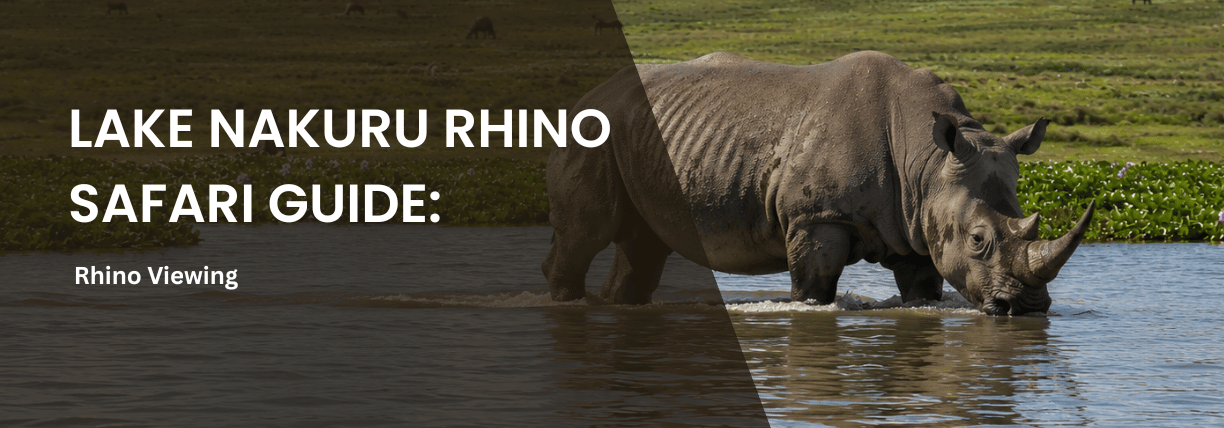
Imagine driving through Kenya’s Great Rift Valley as the morning sun spreads across golden grasslands and acacia forests. Your safari vehicle slows down, your guide points ahead, and there they are — powerful rhinos moving peacefully through the wilderness.
A Lake Nakuru Rhino Safari Guide experience is not just about spotting wildlife. It is about entering one of Kenya’s most important conservation landscapes, where endangered rhinos, dramatic scenery, and diverse wildlife come together.
Located approximately 160 km northwest of Nairobi, Lake Nakuru National Park is one of Kenya’s leading destinations for rhino viewing. The park is famous for protecting both black and white rhinos while offering travelers the chance to experience a classic East African safari.
Whether you are planning a luxury Kenya safari, a private wildlife adventure, or your first African safari holiday, Lake Nakuru offers unforgettable moments in the wild.
Lake Nakuru National Park is one of Kenya’s most scenic safari destinations, located in the Great Rift Valley.
The park combines a variety of habitats, including:
• Open savannah plains
• Acacia woodlands
• Rocky escarpments
• Wetlands
• Lake ecosystems
Unlike larger parks, Lake Nakuru provides a more concentrated safari experience where wildlife sightings can often happen within a shorter game drive.
The park is especially important because it plays a major role in rhino conservation in Kenya. Travelers visiting Lake Nakuru have the opportunity to see these endangered animals in a protected environment while supporting responsible tourism.
The alkaline lake has also historically been famous for flamingos, although flamingo numbers change depending on water levels, food availability, and seasonal conditions
A Lake Nakuru rhino safari offers one of Kenya’s best opportunities to observe rhinos in the wild.
The park is managed as an important rhino conservation area and provides a protected habitat for both black and white rhinos.
Your experienced safari guide will search areas where rhinos commonly feed, rest, and move through the park.
Although sightings cannot be guaranteed, Lake Nakuru is considered one of Kenya’s leading destinations for rhino viewing.
White rhinos are among the most impressive animals to encounter on safari.
Despite their name, white rhinos are usually grey in color. They are generally more social and are often seen grazing in open areas.
During your safari, you may witness:
• Adult rhinos feeding peacefully
• Mothers protecting calves
• Groups moving through grasslands
Seeing a white rhino in its natural habitat is one of the unforgettable highlights of a Kenya wildlife safari.
Black rhinos are more elusive and usually more solitary than white rhinos.
Spotting a black rhino requires patience, expert guiding, and a little luck. Their rarity makes an encounter especially meaningful.
A Lake Nakuru wildlife safari provides travelers with the chance to see both species in one destination.
Rhino conservation is one of the biggest reasons Lake Nakuru National Park is important.
Rhinos have faced serious threats from habitat loss and illegal hunting, making protected areas essential for their survival.
Lake Nakuru supports conservation efforts focused on protecting rhino populations while allowing carefully managed tourism.
When you choose a responsible safari operator, your visit helps support:
• Wildlife protection
• Conservation programs
• Local communities
• Sustainable tourism
Responsible safari practices include:
• Keeping a respectful distance from animals
• Following park regulations
• Avoiding disturbance of wildlife
• Listening to your professional guide
The best time for a Lake Nakuru rhino safari depends on your travel preferences.
The dry seasons are often preferred because wildlife is easier to locate.
During drier months:
• Animals gather around available water sources
• Roads are easier to navigate
• Photography conditions are excellent
• Visibility is usually better
The commonly recommended dry periods are:
• June to October
• January to February
The rainy season transforms Lake Nakuru into a beautiful green wilderness.
Benefits include:
• Fresh landscapes
• Excellent scenery
• Bird activity
• Fewer safari vehicles
For photographers, this season can create dramatic backgrounds and vibrant wildlife images.
Although rhinos are the main attraction, Lake Nakuru offers much more wildlife.
Lions can be found in the park, and lucky visitors may see them resting, hunting, or moving through the grasslands.
Leopards are present but are more difficult to spot compared with rhinos and lions.
A skilled guide improves your chances of finding these secretive predators.
Lake Nakuru is an important area for the endangered Rothschild’s giraffe.
Watching these elegant giraffes move among the acacia trees is one of the most beautiful safari experiences.
The park is home to many classic African herbivores, including:
• Buffalo
• Zebras
• Waterbucks
• Antelopes
Lake Nakuru has long been associated with flamingos, but their numbers vary.
Bird lovers can still enjoy many species throughout the park, making it a rewarding destination for wildlife photographers.
Lake Nakuru offers incredible wildlife viewing, especially for rhinos, giraffes, birds, and predators.
However, it is not usually considered a classic Big Five destination because elephants are not commonly found here.
For a complete Big Five safari experience, many travelers combine Lake Nakuru with destinations such as the Masai Mara, where elephant sightings and predator encounters are more common.
A luxury Lake Nakuru safari combines adventure with comfort.
You can expect:
• Premium safari lodges
• Private game drives
• Professional guides
• Personalized service
• Beautiful wilderness locations
This option is perfect for travelers seeking an exclusive African experience.
Mid-range safaris offer comfort and excellent value.
They usually include:
• Comfortable accommodation
• Experienced guides
• Flexible itineraries
• Reliable safari vehicles
This is a popular choice for couples, families, and first-time safari travelers.
A private safari gives you flexibility and a personalized experience.
Benefits include:
• Your own safari vehicle
• Dedicated guide
• Flexible schedules
• More time at wildlife sightings
Lake Nakuru is an excellent destination for photography.
You may capture:
• Rhinos against open plains
• Giraffes in golden light
• Lions resting in the shade
• African sunsets
A knowledgeable guide can help you find the best viewing locations while respecting wildlife.
The cost of a Lake Nakuru safari depends on:
• Accommodation level
• Safari duration
• Private or group travel
• Season
• Transport options
Typical price ranges:
Budget group safari:
Around $150–$250+ per person per day
Mid-range safari:
Around $250–$500+ per person per day
Luxury or private safari:
Around $500–$1,000+ per person per day
Prices vary depending on the safari company, lodge choice, and inclusions.
A tailor-made safari allows you to design an experience that matches your budget and travel style.
Bring:
• Neutral-colored clothing
• Comfortable walking shoes
• Hat and sunglasses
• Sunscreen
• Binoculars
• Camera equipment
• Light layers for early morning drives
Most travelers spend:
• 1–2 nights in Lake Nakuru
• 4–7 days combining Lake Nakuru with other parks
Adding destinations like Masai Mara creates a more complete Kenya safari experience.
Many travelers include Lake Nakuru as part of a larger Kenya safari itinerary.
Popular combinations include:
Experience famous predator sightings, open savannah landscapes, and the Great Migration season.
Combine rhino viewing with elephants and views of Mount Kilimanjaro.
A customized itinerary lets you experience Kenya’s most diverse wildlife destinations.
Lake Nakuru is one of Kenya’s leading rhino-viewing destinations and offers excellent chances to see both black and white rhinos. Other important rhino conservation areas in Kenya also include Ol Pejeta Conservancy and Nairobi National Park.
Yes. Lake Nakuru protects both black and white rhinos, although wildlife sightings depend on natural conditions.
The dry seasons from June to October and January to February are often preferred because wildlife viewing conditions are usually better.
A 1–2 night stay is usually enough to experience the park, but longer Kenya safari itineraries allow you to combine it with other destinations.
Yes. Lake Nakuru is family-friendly because it offers shorter game drives and excellent opportunities for wildlife viewing.
A Lake Nakuru safari can range from around $150 per person per day for budget group options to over $1,000 per person per day for luxury private experiences.
Yes. Many travelers combine Lake Nakuru with Masai Mara to enjoy a more complete Kenya safari experience.
Lake Nakuru mainly offers rhino viewing from safari vehicles rather than walking tracking experiences. Your guide will help locate rhinos while following park safety rules.
A Lake Nakuru Rhino Safari Guide experience offers the perfect combination of wildlife, conservation, and breathtaking landscapes.
From watching endangered rhinos in the wild to exploring Kenya’s beautiful Rift Valley scenery, Lake Nakuru reveals the magic of African safari travel.
Contact our safari specialists today and let us create your customized Kenya safari itinerary.
A Lake Nakuru Rhino Safari Guide experience offers the perfect combination of wildlife, conservation, and breathtaking landscapes.
From watching endangered rhinos in the wild to exploring Kenya’s beautiful Rift Valley scenery, Lake Nakuru reveals the magic of African safari travel.
Contact our safari specialists today and let us create your customized Kenya safari itinerary.

Comments are closed