The Great Migration: What to Know Before You Go
Few wildlife experiences capture the imagination quite like the Great Migration. Across the Serengeti–Mara ecosystem, enormous herds of wildebeest and zebra move in search of fresh grazing and water, followed closely by predators and countless other species.
But the Great Migration is often misunderstood. It is not one single event and it does not happen according to an exact calendar.
What Is the Great Migration?
The Great Migration is a continuous movement of animals through the wider Serengeti and Maasai Mara ecosystem across Tanzania and Kenya.
Rainfall and grazing conditions influence where the herds move, which means their exact location can vary from year to year.
This constant movement is part of what makes a migration safari so exciting. Every journey is different.
The Migration Is More Than River Crossings
River crossings are among the most famous images associated with the Great Migration, but they represent only one part of a much larger natural cycle.
Large Herd Movements
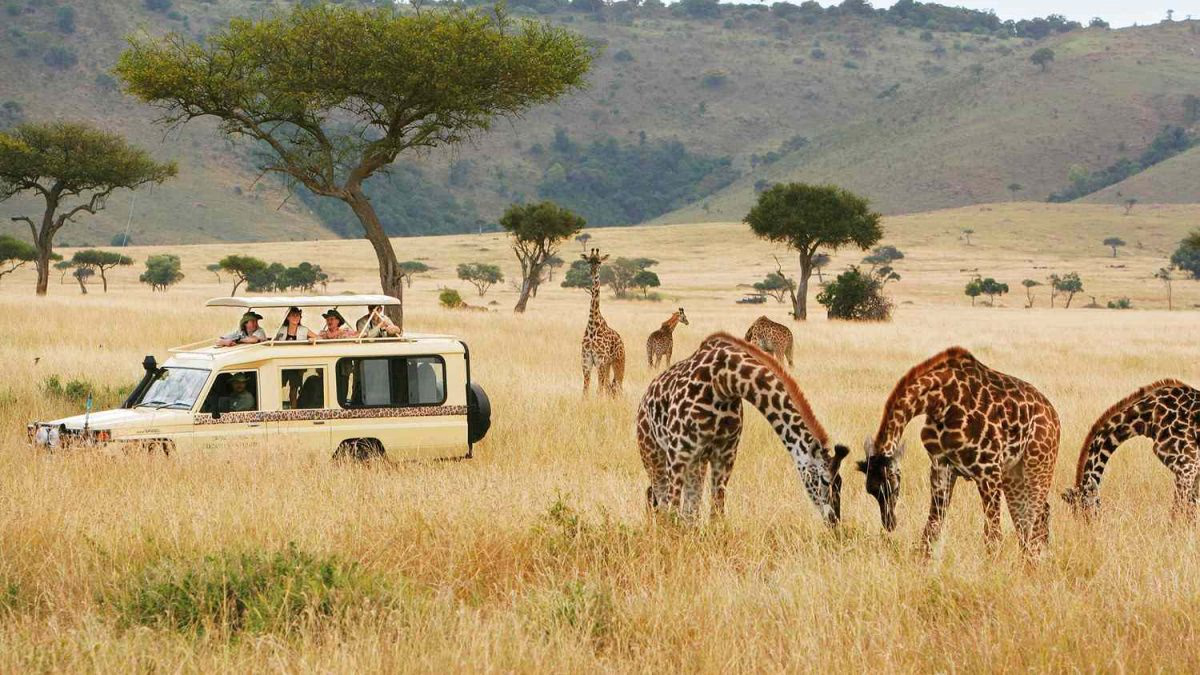
Seeing thousands of wildebeest moving across an open landscape can be extraordinary even without a river crossing.
Predator Activity
Lions, cheetahs, leopards, hyenas and other predators take advantage of the huge concentration of prey moving through the ecosystem.
Calving and New Life
At another stage of the migration cycle, large numbers of young animals are born over a relatively concentrated period. This creates a very different wildlife experience from the dramatic northern river-crossing season.
Experiencing the Migration in the Maasai Mara
Kenya’s Maasai Mara forms the northern part of the migration ecosystem and becomes an important destination for the herds during part of the year.
When conditions are right, large concentrations of wildebeest and zebra can spread across the plains and move through areas around the Mara and Talek river systems.
Because the animals are constantly responding to rainfall and grazing conditions, experienced local guiding becomes especially important.
Can River Crossings Be Guaranteed?
No. River crossings are completely natural events and cannot be scheduled.
A herd may approach a river and wait for hours before crossing. It may turn away entirely. Another group may cross unexpectedly somewhere else.
A well-designed migration safari therefore should not revolve around racing from one predicted crossing point to another. It should provide enough time in the right area for nature to unfold at its own pace.
Why Private Guiding Makes a Difference
Private guiding gives you more control over how you spend your time in the field.
If an exceptional wildlife encounter is developing, you can stay longer. If conditions change, your guide can adjust the plan. Photographers can also spend more time considering light, positioning and animal behaviour.
This flexibility is particularly valuable during a Great Migration safari.
Where You Stay Matters
Camp location can make a significant difference to your experience.
During migration periods, staying close to productive wildlife areas can reduce unnecessary driving and give you more time in the field during the best morning and evening hours.
We look at more than luxury when selecting accommodation. Location, guiding quality, atmosphere and access to wildlife are equally important.
Allow Enough Time
A migration journey becomes more rewarding when you are not trying to experience everything in one or two game drives.
Wildlife operates on its own schedule. Spending several nights in a carefully selected area gives you more opportunities to experience different conditions, behaviours and landscapes.
Build Your Great Migration Experience Around the Season
The strongest migration itineraries are built around your actual travel dates rather than a generic route.
At Bush Doctor Safaris, we consider the season, expected wildlife movement, camp locations and your personal priorities when shaping the journey.
Whether your dream is photographing huge herds, observing predators, witnessing a river crossing or simply experiencing the scale of one of nature’s greatest wildlife movements, the goal is the same: to place you in the right environment and give you enough time to experience it properly.