
2nd Floor, Hazina Towers, Nairobi
P.O Box 264 – 00902, Kikuyu
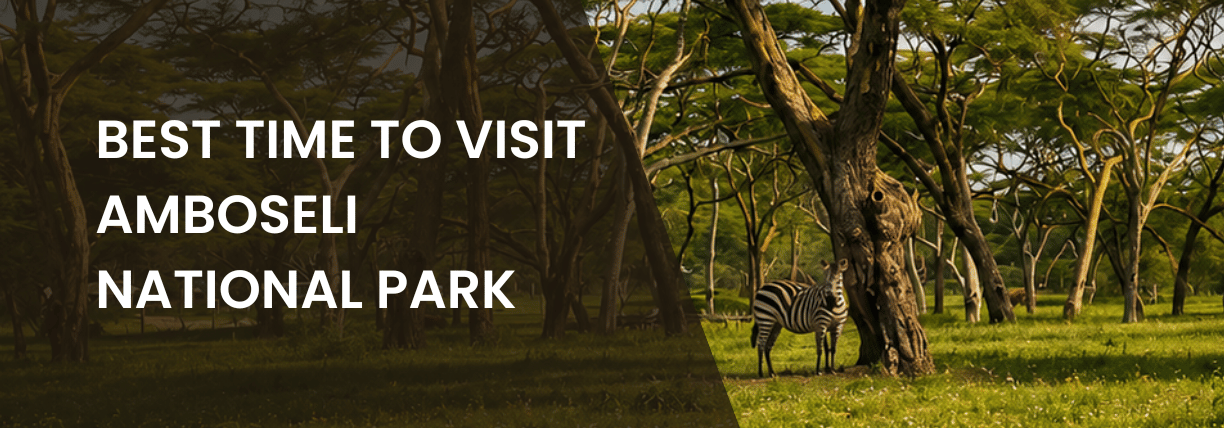
Imagine standing on the vast plains of Amboseli National Park as the first golden light of dawn reveals the snow-capped peak of Mount Kilimanjaro. In the foreground, giant elephant herds move gracefully across the savannah while zebras and giraffes emerge from the morning mist. These iconic scenes have made Amboseli one of the most celebrated safari destinations in Africa.
Understanding the best time to visit Amboseli National Park can dramatically enhance your safari experience. Whether your goal is exceptional wildlife viewing, elephant photography, bird watching, or capturing clear views of Mount Kilimanjaro, different seasons offer unique advantages. In this complete Amboseli safari guide, you’ll discover the best months to visit, Amboseli National Park weather patterns, wildlife viewing opportunities, and expert safari planning tips to help you choose the perfect time for your Kenya safari.
Located in southern Kenya near the Tanzania border, Amboseli National Park sits within the Amboseli ecosystem beneath Mount Kilimanjaro. Despite its relatively dry environment, underground water flowing from Kilimanjaro feeds the park’s wetlands, creating year-round wildlife habitats. The Amboseli National Park climate is generally warm and sunny throughout the year, with temperatures remaining fairly consistent.
| Season | Daytime Temperature | Nighttime Temperature |
|---|---|---|
| Dry Season | 25–30°C (77–86°F) | 12–18°C (54–64°F) |
| Wet Season | 24–28°C (75–82°F) | 14–19°C (57–66°F) |
The year is divided into four primary safari seasons:
• Dry Season (June–October)
• Short Rains (November–December)
• Green Season (January–February)
• Long Rains (March–May)
Understanding these Amboseli safari seasons is key when planning your adventure.
Weather conditions remain pleasant throughout most of the year. Rainfall tends to arrive in two distinct periods, while the dry months offer excellent game viewing and clear roads. Because temperatures are relatively stable year-round, rainfall and vegetation conditions are usually more important than temperature when deciding when to visit Amboseli National Park.
Each season offers unique experiences for wildlife enthusiasts, photographers, and safari travelers.
The dry season is widely regarded as the best time to visit Amboseli for wildlife viewing.
During these months:
• Grass becomes shorter
• Animals gather around wetlands and water sources
• Wildlife is easier to spot
• Roads remain accessible
• Mosquitoes are fewer
This is also Amboseli National Park peak season, attracting visitors from around the world.
Advantages:
• Outstanding game viewing
• Excellent elephant sightings
• Clear Kilimanjaro views during mornings
• Ideal photography conditions
Considerations:
• Higher accommodation rates
• More visitors in popular safari areas
The short rains transform the landscape into vibrant shades of green.
Benefits include:
• Beautiful scenery
• Fewer tourists
• Excellent bird activity
• Dramatic photographic opportunities
Rain showers are usually brief and rarely disrupt safari activities significantly.
Many safari experts consider January and February a hidden gem.
Conditions include:
• Fresh green landscapes
• Pleasant weather
• Lower visitor numbers than peak season
• Excellent visibility
This period offers a wonderful balance between wildlife viewing and photography.
The rainy season in Amboseli National Park reaches its peak during these months.
Travelers can expect:
• Lush scenery
• Lowest accommodation rates
• Fewer safari vehicles
• Outstanding bird watching opportunities
Although some roads may become muddy, many luxury lodges remain open and offer attractive seasonal rates.
Amboseli is often considered Africa’s premier destination for elephant viewing. The park is home to some of the continent’s largest and most studied elephant populations.
Visitors regularly encounter:
• Large family herds
• Massive bulls with impressive tusks
• Calves and juveniles
• Multi-generational elephant groups
The best time to see elephants in Amboseli is during the dry season from June through October. As water sources become limited, elephants congregate around Amboseli’s wetlands and marshes, creating exceptional viewing opportunities.
Photographers particularly appreciate:
• Golden morning light
• Dust-filled elephant silhouettes
• Kilimanjaro backdrops
• Herd interactions near water
For many visitors, watching hundreds of elephants move across the plains beneath Mount Kilimanjaro becomes the defining image of their Kenya safari.
Although elephants are Amboseli’s stars, the park supports a rich variety of wildlife.
Visitors commonly encounter:
• Lions
• Cheetahs
• Buffaloes
• Giraffes
• Zebras
• Wildebeest
• Hyenas
• Jackals
• Hippos
• Numerous antelope species
The best time for wildlife viewing in Amboseli National Park is generally June through October.
Advantages include:
• Sparse vegetation
• Easier predator sightings
• Concentrated wildlife around water
• Comfortable safari conditions
The best time for bird watching in Amboseli National Park is from November through April.
During this period:
• Migratory birds arrive
• Wetlands become highly active
• More than 400 bird species can be observed
The best time for photography in Amboseli National Park often depends on your preferred style.
Dry season photography offers:
• Dramatic dust scenes
• Clear mountain views
• Golden lighting
Green season photography offers:
• Rich colors
• Reflection shots
• Storm clouds
• Vibrant landscapes
Many professional wildlife photographers favor January and February because they combine lush scenery with relatively reliable weather.
One of Amboseli’s greatest attractions is its spectacular view of Mount Kilimanjaro. However, visibility varies throughout the year.
The mountain is most visible:
• Early mornings
• Late afternoons
• During dry months
The best months for Kilimanjaro photography are typically:
• January
• February
• June
• July
• August
• September
Cloud cover often builds during the middle of the day, so early game drives provide the greatest chance of capturing iconic images. For photographers seeking postcard-perfect scenes, sunrise over Kilimanjaro with elephants in the foreground is one of Africa’s most sought-after wildlife images.
| Month | Safari Conditions & Highlights |
|---|---|
| January | Green landscapes, excellent wildlife viewing, fewer crowds, and clear Kilimanjaro views. |
| February | Often considered the best month to visit Amboseli National Park. Excellent weather, superb photography, and outstanding wildlife encounters. |
| March | Beginning of the long rains. Landscapes become greener while visitor numbers decline. |
| April | Wettest month of the year. Beautiful scenery and excellent value for travelers seeking quieter safaris. |
| May | Rain continues but begins tapering off. Great for budget-conscious travelers. |
| June | Start of the dry season. Wildlife viewing improves dramatically. |
| July | Prime safari month with excellent game viewing and comfortable temperatures. |
| August | Peak safari season. Large elephant herds gather around wetlands. |
| September | Exceptional wildlife viewing and strong Kilimanjaro visibility. |
| October | Final dry-season month with some of the year's best game viewing opportunities. |
| November | Short rains begin. Landscapes become greener and birdlife increases. |
| December | Holiday season combines lush scenery with excellent safari conditions. |
June through October offers the highest concentration of wildlife around water sources.
November through April brings migratory birds and active wetland ecosystems.June through October offers the highest concentration of wildlife around water sources.
January, February, August, September, and October provide exceptional photographic conditions.June through October offers the highest concentration of wildlife around water sources.
March through May typically offers the lowest accommodation rates and fewer crowds.
January–February and June–October provide premium safari experiences with excellent wildlife encounters.
July through October is ideal for travelers combining Amboseli and the famous Maasai Mara migration season.
Most travelers spend:
• 2–3 nights for a focused safari
• 4–5 nights for a more immersive experience
Amboseli offers:
• Luxury safari lodges
• Boutique tented camps
• Mid-range safari camps
• Budget accommodations
Luxury properties often feature Kilimanjaro-facing suites and private game viewing experiences.
Visitors can reach Amboseli via:
• Domestic flights from Nairobi
• Private charter flights
• Road transfers from Nairobi
• Driving time from Nairobi is approximately four to five hours.
Bring:
• Neutral-colored clothing
• Sun protection
• Camera equipment
• Binoculars
• Light jacket for mornings
• Waterproof layer during rainy months.
Amboseli pairs perfectly with:
• Maasai Mara
• Tsavo West
• Tsavo East
• Samburu
• Lake Nakuru
Many travelers include Amboseli as part of a broader East Africa safari itinerary.
The best time to visit Amboseli National Park is during the dry season from June to October when wildlife gathers around water sources and Mount Kilimanjaro is often visible.
Wildlife viewing is best between June and October when vegetation is sparse and animals are easier to spot.
Elephants can be seen throughout the year, but the dry season provides the highest concentration of elephant herds around Amboseli’s wetlands.
January, February, August, September, and October offer ideal photography conditions with excellent light and clear Kilimanjaro views.
Whether you dream of photographing giant elephant herds beneath Mount Kilimanjaro, enjoying a luxury safari lodge overlooking the plains, or combining Amboseli with Kenya’s other iconic wildlife destinations, there is never truly a bad time to visit this remarkable park.
The best time to visit Amboseli National Park ultimately depends on your travel style, photography goals, and safari priorities. For most travelers, January–February and June–October deliver the finest combination of wildlife viewing, mountain scenery, and unforgettable safari experiences.
Our safari specialists create tailor-made Kenya safari packages designed around your interests, travel dates, and preferred level of luxury. Contact us today to start planning your personalized Amboseli safari and experience one of Africa’s most spectacular wildlife destinations.

Comments are closed