

2nd Floor, Hazina Towers, Nairobi
P.O Box 264 – 00902, Kikuyu
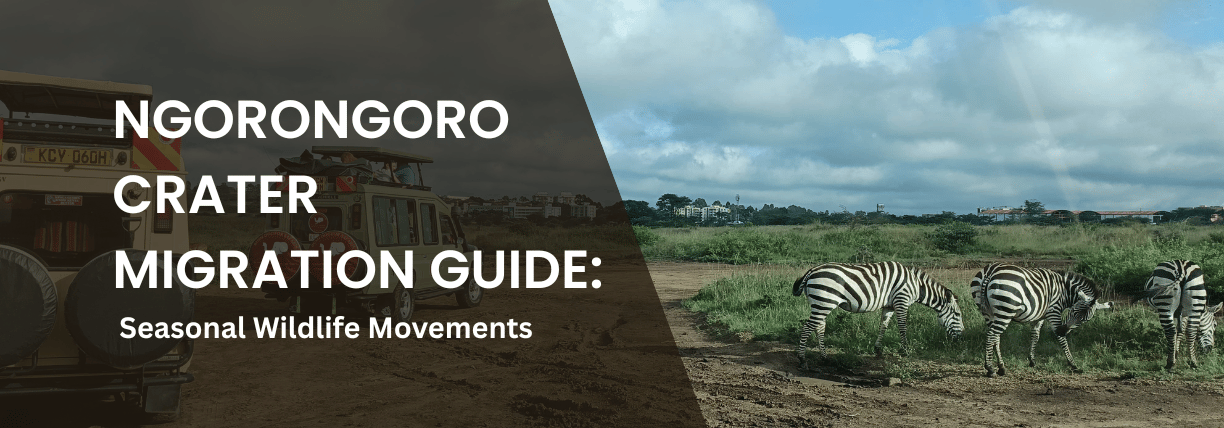
As dawn breaks over the rim of Ngorongoro Crater, a soft golden light spills across the vast caldera floor below. Mist rises from freshwater springs, flamingos gather along the shores of soda lakes, and herds of zebra and wildebeest begin grazing across the open grasslands. In the distance, lions patrol the plains while elephants emerge from the forested slopes.
Few safari destinations in Africa offer such dramatic scenery combined with such extraordinary wildlife density. Often called Africa’s “Garden of Eden,” Ngorongoro Crater is one of Tanzania’s most remarkable safari destinations and a highlight of the Northern Safari Circuit.
Many travelers searching for information about the Ngorongoro Crater migration wonder whether this famous conservation area hosts the same large-scale wildlife spectacle seen in the Serengeti. The answer is both yes and no. Unlike the famous Serengeti Great Migration, the Ngorongoro Crater migration is defined by fascinating seasonal wildlife movements influenced by rainfall, grazing conditions, and water availability. Understanding these wildlife patterns can help travelers choose the best time to visit Ngorongoro Crater while enjoying exceptional safari experiences throughout the year.
While Ngorongoro does not experience the Great Wildebeest Migration in the same way as the Serengeti, it does witness important seasonal wildlife movements in Ngorongoro driven by rainfall patterns, grazing opportunities, and water availability. Understanding these movements can help travelers maximize their safari experience regardless of the season.
This guide explores everything you need to know about the Ngorongoro wildlife migration, the animals you can expect to see, and how to plan the perfect Ngorongoro safari.
Ngorongoro Crater was formed approximately two to three million years ago when a massive volcano collapsed inward after a powerful eruption. The result is the world’s largest intact and unfilled volcanic caldera. Measuring about 260 square kilometers (100 square miles) and enclosed by walls rising over 600 meters (2,000 feet), the crater creates a self-contained ecosystem unlike anywhere else on Earth.
Recognized as a UNESCO World Heritage Site, the Ngorongoro Conservation Area protects not only wildlife but also archaeological treasures, cultural heritage, and the traditional lifestyle of the Maasai people who have coexisted with wildlife for generations.
One of the biggest reasons travelers choose a Ngorongoro migration safari is the extraordinary concentration of wildlife. The crater floor supports an estimated 25,000–30,000 large animals year-round, making it one of the most reliable safari destinations in Africa. Unlike many parks where wildlife disperses over vast distances, animals within the crater are relatively easy to locate during game drives. This creates exceptional opportunities for photography, wildlife viewing, and Big Five safaris.
A common misconception is that Ngorongoro hosts the famous Great Migration seen in the Serengeti. In reality, the Great Migration largely occurs within the Serengeti ecosystem, where more than 1.5 million wildebeest, hundreds of thousands of zebras, and gazelles follow seasonal rainfall patterns across vast plains.
Ngorongoro experiences a different type of migration. Rather than massive long-distance movements, the crater and surrounding conservation area witness localized and seasonal wildlife movements influenced by changing environmental conditions.
Rainfall is the primary factor driving animal distribution throughout the Ngorongoro ecosystem. During wetter months, fresh grass emerges across the conservation area, attracting grazing animals to nutrient-rich pastures. As conditions change, animals shift toward areas offering the best combination of forage, water, and security. These movements occur both within the crater and across the wider Ngorongoro Conservation Area.
One reason Ngorongoro is so popular is that many species remain resident throughout the year.
Resident wildlife includes:
• Lions
• Black rhinos
• Buffalo
• Hippos
• Hyenas
• Many zebra populations
• Numerous bird species
Other animals may move seasonally between the crater highlands, surrounding plains, and neighboring conservation areas in response to rainfall and grazing conditions.
The Ngorongoro Conservation Area forms part of the larger Serengeti ecosystem.
Wildlife movement between these connected landscapes contributes to the ecological health of northern Tanzania. Although travelers seeking the dramatic river crossings of the Serengeti Great Migration should focus on the Serengeti, combining Serengeti and Ngorongoro offers one of Africa’s most rewarding safari experiences.
Many travelers researching the Ngorongoro Crater migration assume it is similar to the world-famous Serengeti Great Migration. While both occur within Tanzania’s interconnected ecosystem, they are very different wildlife phenomena. The Serengeti hosts one of the largest wildlife migrations on Earth, with more than 1.5 million wildebeest moving across vast plains in search of fresh grazing. In contrast, the Ngorongoro Crater migration consists of localized and seasonal wildlife movements influenced by rainfall, grazing conditions, and water availability within the crater and surrounding conservation area.
This difference makes Ngorongoro an excellent destination for travelers seeking reliable year-round wildlife viewing, Big Five encounters, and spectacular landscapes. Visitors hoping to witness both experiences often combine Ngorongoro with the Serengeti for the ultimate Northern Tanzania safari.
| Feature | Ngorongoro Crater Migration | Serengeti Great Migration |
|---|---|---|
| Type | Seasonal wildlife movements | Large-scale annual migration |
| Main Species | Wildebeest, zebras, gazelles | 1.5+ million wildebeest |
| Distance Traveled | Localized movements | Hundreds of kilometers |
| Best For | Year-round wildlife viewing | Migration spectacles |
| Big Five Sightings | Excellent | Excellent |
The dry season is widely considered the best time to visit Ngorongoro Crater.
Advantages of Visiting During the Dry Season
• Excellent wildlife visibility
• Sparse vegetation makes animals easier to spot
• Pleasant temperatures
• Reduced rainfall interruptions
• Ideal photography conditions
• Reliable game viewing throughout the crater floor
Predators are often highly active during this period, creating memorable safari encounters.
The green season transforms Ngorongoro into a lush and vibrant landscape.
Fresh grass carpets the crater floor, seasonal flowers bloom, and migratory birds arrive from Europe and Asia.
Benefits of Green Season Safaris
• Beautiful landscapes and dramatic skies
• Fewer safari vehicles
• Excellent birdwatching
• Lower accommodation rates
• Outstanding photography opportunities
Many experienced safari travelers consider the green season one of Tanzania’s best-kept secrets.
Unlike some destinations where wildlife disappears seasonally, Ngorongoro offers exceptional game viewing every month of the year.
The crater’s permanent water sources and enclosed ecosystem support resident wildlife populations regardless of season.
This makes Ngorongoro one of Africa’s most dependable safari destinations.
• Lions
• Elephants
• Black rhinos
• Buffalo
• Zebras
• Wildebeest
• Hyenas
• Hippos
• Flamingos
• Leopards
• Jackals
• Servals
• More than 500 bird species
Ngorongoro Crater supports one of Africa’s highest concentrations of wildlife, making it one of the best places in Tanzania for Big Five sightings.
Luxury safaris offer premium lodges, exceptional guiding, fine dining, and breathtaking crater rim accommodations.
Mid-range safaris provide excellent value while maintaining high-quality accommodation and memorable wildlife encounters.
Private safaris allow travelers to explore at their own pace with dedicated guides and flexible schedules.
Ngorongoro is well suited for families due to reliable wildlife viewing and relatively short driving distances.
Many travelers choose to combine Ngorongoro with:
• Serengeti National Park
• Tarangire National Park
• Lake Manyara National Park
This combination provides the perfect balance between resident wildlife, dramatic landscapes, and the Great Migration experience.
Most visitors spend one full day exploring the crater, although two to three days allows for a richer safari experience.
• Neutral-colored clothing
• Light jacket
• Sunglasses
• Sunscreen
• Binoculars
• Camera with zoom lens
• Comfortable walking shoes
The best photography opportunities often occur during early morning and late afternoon game drives.
Consider travel season, accommodation preferences, private versus shared safaris, and combined Northern Tanzania safari itineraries.
No. The Great Migration primarily takes place in the Serengeti ecosystem. Ngorongoro experiences localized seasonal wildlife movements rather than massive migration herds.
Seasonal movements involve wildebeest, zebras, gazelles, and other grazing species responding to rainfall, fresh grazing, and water availability.
The Serengeti Migration involves millions of animals moving across vast distances, while the Ngorongoro Crater migration refers to localized seasonal wildlife movements within the crater ecosystem.
June through October generally offers excellent wildlife viewing, though Ngorongoro is rewarding throughout the year.
Yes. Ngorongoro Crater is one of the best places in Africa to see the Big Five, including the endangered black rhino.
Absolutely. Ngorongoro offers outstanding wildlife viewing, spectacular scenery, and excellent Big Five sightings as a standalone destination.
Wildebeest can be seen throughout the year, although their distribution changes with rainfall and grazing conditions.
Yes. Ngorongoro’s permanent water sources and resident wildlife make it a year-round safari destination.
One full day is sufficient for crater exploration, but two to three days allows visitors to experience the wider conservation area.
While the Ngorongoro Crater migration differs from the dramatic Great Migration of the Serengeti, its year-round wildlife density, seasonal animal movements, and spectacular landscapes make it one of Africa’s most rewarding safari destinations. From lions and black rhinos to elephants, flamingos, and vast herds of grazing animals, every game drive offers something extraordinary.
Whether you’re planning a luxury escape, a family adventure, or a combined Northern Tanzania safari, Ngorongoro delivers unforgettable wildlife encounters in every season. Pair it with the Serengeti, Tarangire, or Lake Manyara for a complete safari experience that showcases the very best of Tanzania. Ready to experience the magic of Ngorongoro? Contact our safari specialists today to start planning a tailor-made Tanzania safari designed around your travel style, interests, and budget.

Comments are closed