
Explore East Africa
The Great Migration: Serengeti to Maasai Mara
Journey Overview
Overview
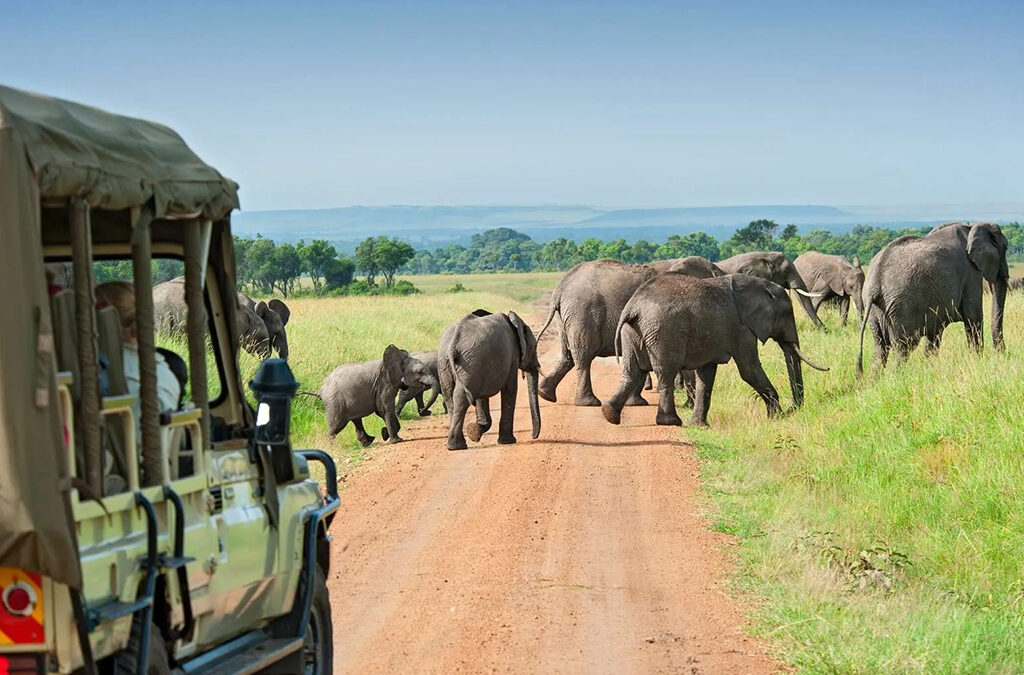
The Great Migration is a year-round movement rather than a single event. More than a million wildebeest, together with zebra and gazelle, follow the rains in a broad circuit through Tanzania’s Serengeti and into Kenya’s Maasai Mara — calving in the south early in the year, moving north and west through the middle months, and reaching the northern rivers later in the season.
Planning a migration journey is therefore mostly a question of timing and position. We will talk through where the herds are usually found during your travel window and place you accordingly, with enough time in one area to let the wildlife come to you rather than chasing reports from camp to camp.
These are wild animals responding to rainfall, so no operator can promise a particular sighting on a particular day, and river crossings in particular are unpredictable. What a well-planned journey can do is put you in the right region at the right time of year, with a private guide and the flexibility to move with the day.
Journey Overview
What Makes This Safari Special

Your Journey, Day by Day
Arrival in Nairobi
Arrive in Nairobi and meet your guide. The evening briefing covers where the herds are currently being reported and how that shapes the plan for the days ahead.
Into the Maasai Mara
Travel to the Maasai Mara and settle in. The first afternoon is spent getting a feel for where the plains game are concentrated and which parts of the reserve are worth returning to.
A full day on the plains
A long day in the field, out early and carrying breakfast. Time is spent where the herds are densest, with the willingness to wait rather than move on at the first quiet stretch.
A second day in the Mara
Another full day, planned on the morning itself. Depending on the season this may mean time near the river, a wider sweep of the plains, or an early balloon flight arranged with a local operator.
Crossing into the Serengeti
Continue south into Tanzania and the Serengeti, or stay north in the Mara, depending on where the herds are at the time of your visit. The afternoon is spent in the field once you have settled in.
A full day in the Serengeti
A full day following the movement of the herds across the plains, with the route decided in the morning based on what has been seen the previous evening.
Departure
A final early drive before the return journey, or an onward connection to the coast for a slower ending to the trip.
A Glimpse Of The Journey
Gallery
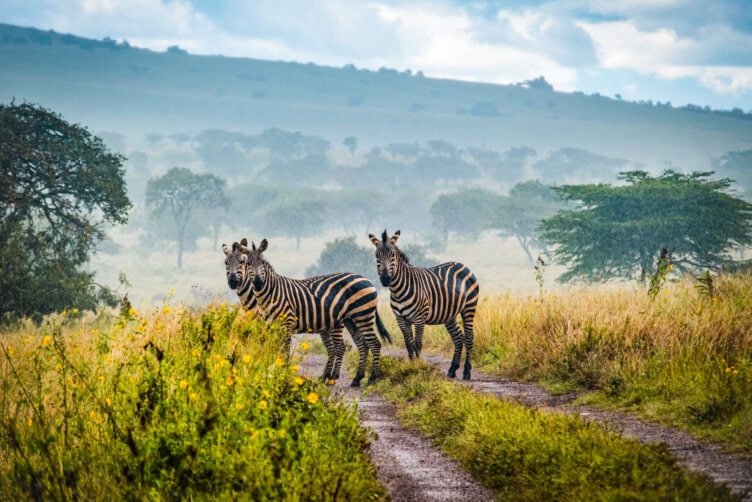
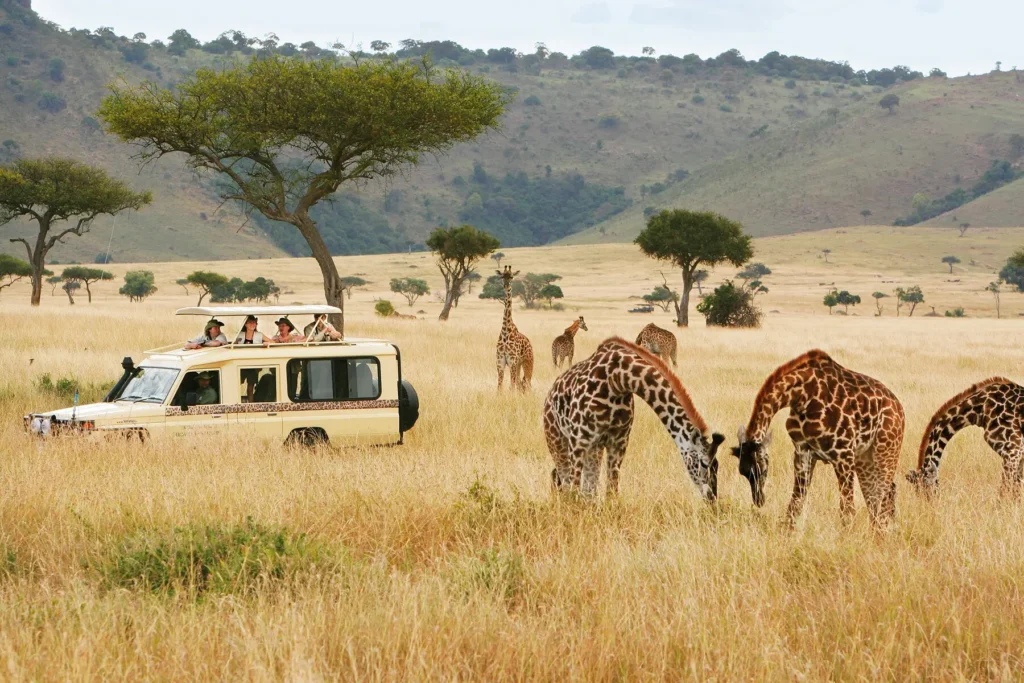
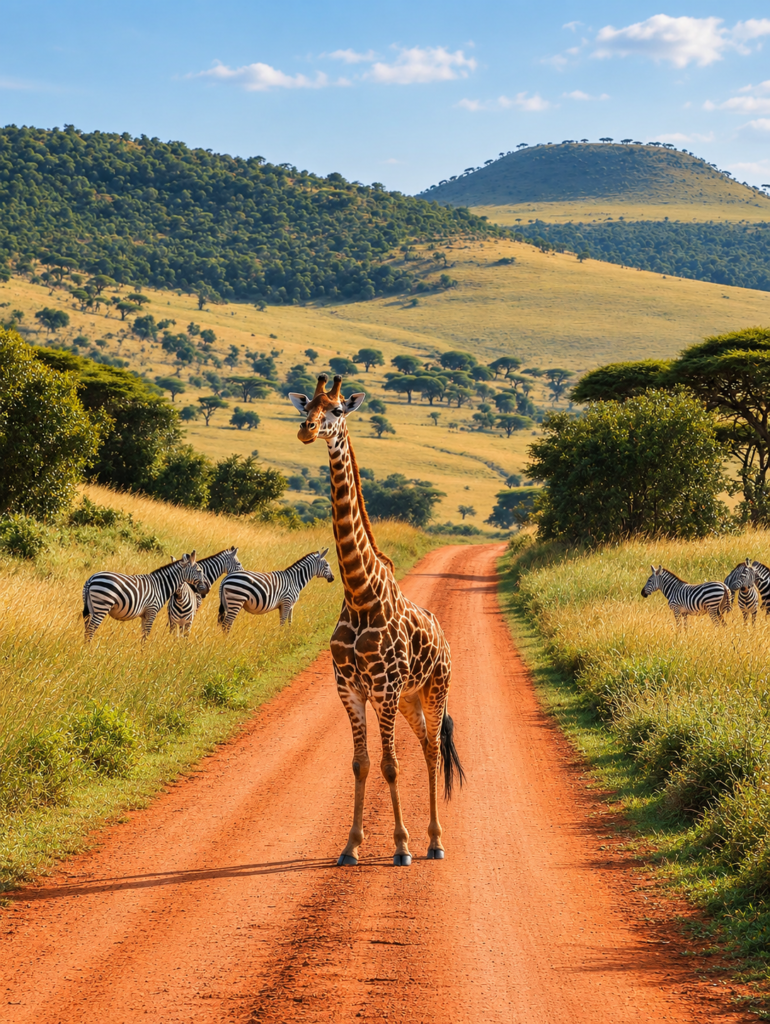
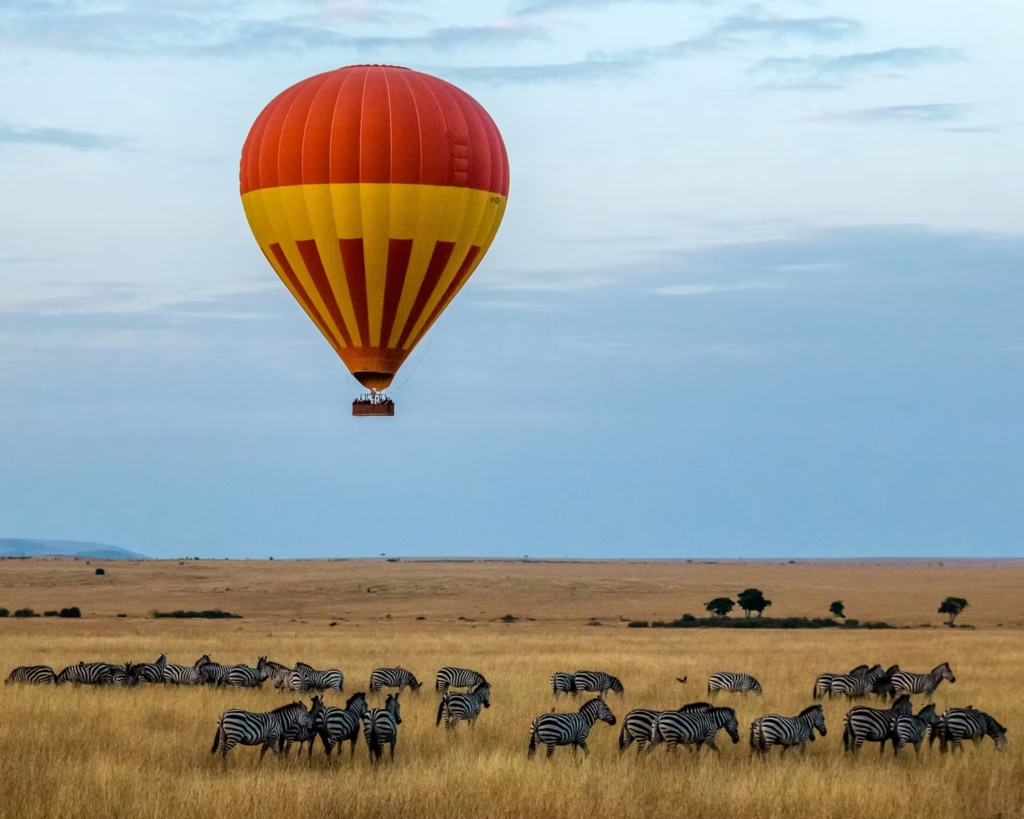
Your Safari Includes
- Private guiding by a KPSGA-certified professional guide
- Private safari vehicle and driver-guide throughout
- Accommodation as agreed in your final itinerary
- Park, reserve and conservancy entry fees for the areas visited
- Full-day game drives with packed meals where the plan calls for them
- Airport transfers and ground logistics within the itinerary
Typically Excluded
- International and domestic flights unless stated in your itinerary
- Visa, eVisa and border-crossing fees
- Travel and medical insurance
- Balloon flights and other optional activities
- Personal expenses such as laundry, phone and internet
- Tips and gratuities for guides and camp staff
Frequently Asked Questions
When is the best time to see the migration?
It depends on what you want to see. Calving is usually January to March in the southern Serengeti; the northern Serengeti and Maasai Mara are the focus from around July to October. Because the movement follows rainfall, timings vary from year to year.
Are river crossings guaranteed?
No. Crossings are unpredictable, can happen at short notice and sometimes do not happen at all on a given day. We plan for the right region and the right season and build in enough time to give you a fair chance, but nobody can promise a crossing.
Kenya or Tanzania?
Both, depending on the month. The Maasai Mara tends to suit the later part of the year and the Serengeti the earlier months, though the two can often be combined in one journey.
How many days do I need?
Allow enough time to stay put. Two or three nights in a single area is usually more productive than moving every night, and most migration journeys work best over about a week.
Is it very busy?
Popular crossing points can gather vehicles in peak season. Staying in quieter sectors or conservancies, and being out earlier than most, makes a noticeable difference.
Can I add time on the coast afterwards?
Yes. A few days in Zanzibar or on the Kenyan coast is a common way to finish, and the connection can be arranged as part of the itinerary.
Make It Your Own
Like This Journey? Let’s Tailor It Around You.
Change the duration, add another destination, upgrade the accommodation or slow the pace. This itinerary is only the starting point.