
Explore East Africa
Through the Lens: An East Africa Safari
Journey Overview
Overview
Photography changes the shape of a safari day. The best light sits at either end of it, the best position is rarely the first one you reach, and most good images come from waiting rather than moving on. An itinerary built for photography has to allow for all three.
These journeys plan around first and last light, give more time to fewer sightings, and treat the vehicle as a working platform — approaching from the right angle, cutting the engine, and staying put. Your guide’s job becomes as much about positioning for the shot as finding the animal in the first place.
It does not much matter what you are shooting with. The habits that help a long lens — being there early, being patient, being in the right place — help just as much with a phone.
Journey Overview
What Makes This Safari Special

Your Journey, Day by Day
Arrival in Nairobi
Arrive in Nairobi and meet your guide. The evening is spent going through what you are hoping to photograph, so the days can be planned around it rather than around a standard route.
Into the Maasai Mara for evening light
Travel to the Maasai Mara, timed to be in the field for the last hour of light on the first day rather than arriving at camp and stopping.
Dawn to dusk in the Mara
A full day built around the two ends of the light. Out before sunrise, a quiet middle of the day, then back out through the afternoon and into the golden hour.
A second Mara day
Another full day, with the morning decided the night before based on where the animals settled. Time is spent returning to one or two subjects rather than covering ground.
On to Amboseli
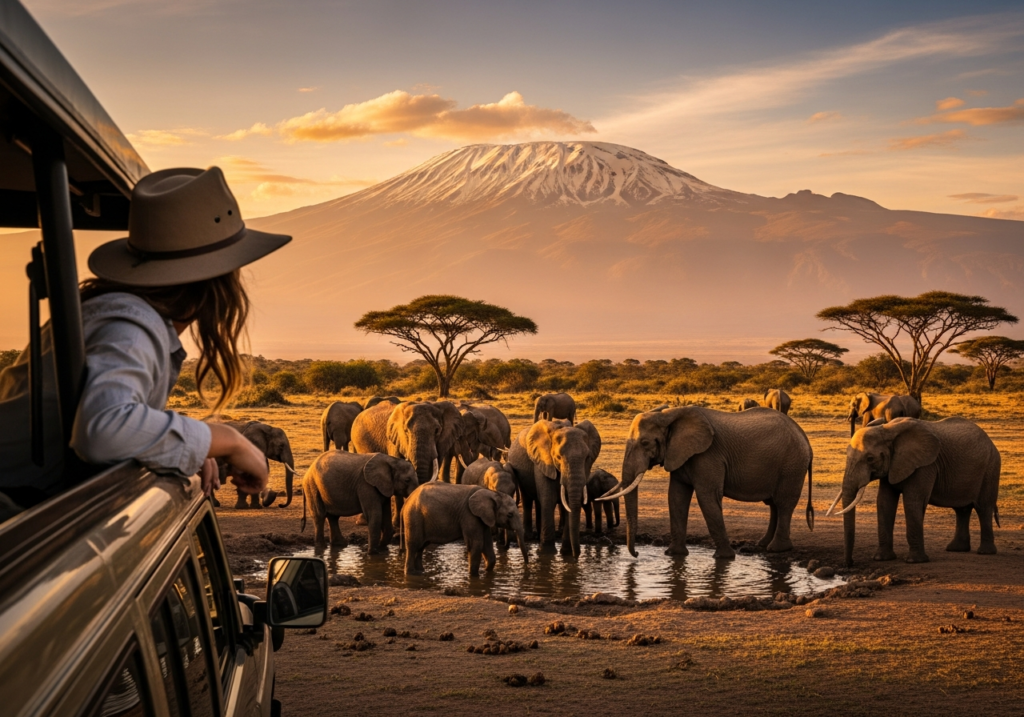
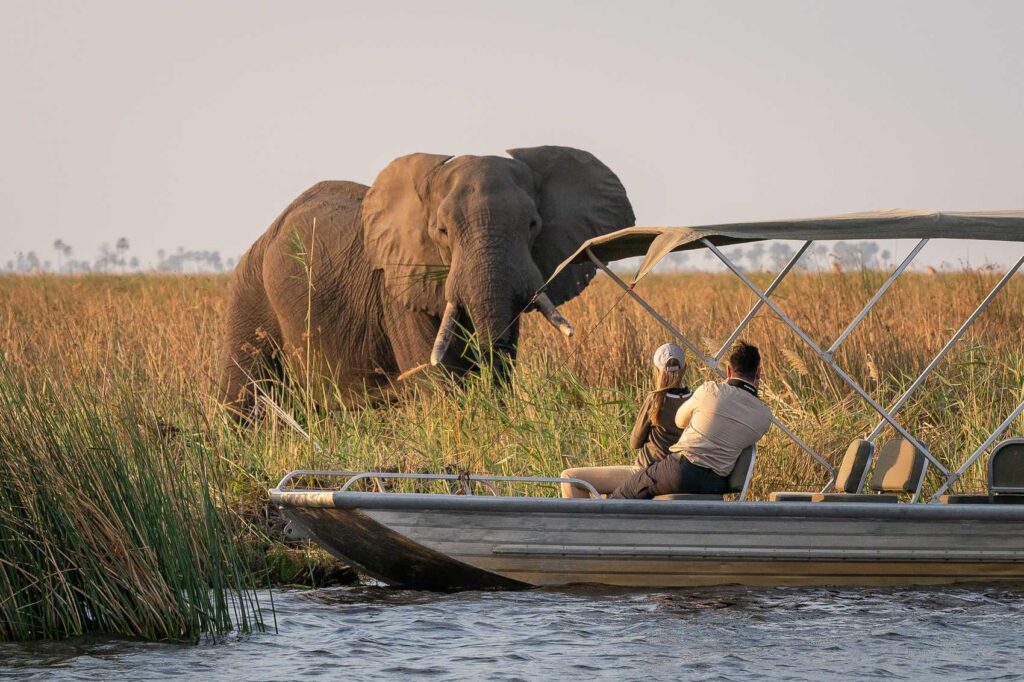
Continue to Amboseli, where the elephant herds and the open plains give a very different set of images to the Mara. An afternoon in the field once you have arrived.
Kilimanjaro at first light, then Nairobi
An early start for the clearest view of Kilimanjaro, which is usually only available in the first hour or two of the day, before the return to Nairobi.
A Glimpse Of The Journey
Gallery
Your Safari Includes
- Private guiding by a KPSGA-certified professional guide
- Private safari vehicle with an open roof hatch and a window seat each
- Accommodation as agreed in your final itinerary
- Park and conservancy entry fees for the areas visited
- Full-day drives with packed meals so the light is never missed for a mealtime
- Airport transfers and ground logistics within the itinerary
Typically Excluded
- International and domestic flights unless stated in your itinerary
- Photographic equipment, supports and storage media
- Visa and eVisa fees
- Travel and medical insurance, including equipment cover
- Balloon flights and other optional activities
- Tips and gratuities for guides and camp staff
Frequently Asked Questions
Do I need a long lens?
No, though one helps for tight wildlife portraits. Plenty of the strongest safari images are wide: an animal in its landscape, weather, dust and light. Bring what you have and tell us what you want to shoot.
How many people share the vehicle?
The vehicle is private to your party, which is the single most important factor in photography. Nobody else decides when to move, and everyone has both a window and roof access.
Can you provide beanbags or supports?
We will confirm what your vehicle can offer when the itinerary is set. Many photographers prefer to bring their own support, and an empty beanbag packs flat and can be filled on arrival.
Can non-photographers come too?
Yes, though it is worth everyone knowing in advance that the days start early and involve long, patient stops. In practice most non-photographers enjoy the slower pace once they settle into it.
Will I be able to charge and back up?
Most camps and lodges have power, though supply can be limited at smaller or more remote properties. We will flag any where it is worth carrying spare batteries and a power bank.
What time of year is best?
It depends on the images you want. June to October for clearer sightings and classic conditions; March to May for cloud, colour and a quieter field. We will talk it through against your dates.
Make It Your Own
Like This Journey? Let’s Tailor It Around You.
Change the duration, add another destination, upgrade the accommodation or slow the pace. This itinerary is only the starting point.